


In short: In June 2026 the Legislature placed a homestead tax amendment on the November 3, 2026 ballot. It would raise the non-school homestead exemption to $150,000 in 2027 and $250,000 in 2028, with an estimated local revenue reduction of $4.6 billion in its first year. Cities warning of cuts are also sitting on recorded code liens they have never tried to collect.
Florida cities and counties are warning that property tax relief will force service cuts. The warning is real. So is the money already owed to them.
What Is on the Ballot
After a special session, the Legislature on June 2, 2026 approved a constitutional amendment for the November 3, 2026 ballot (House 75-26, Senate 30-9). According to Ballotpedia’s summary, it would:
- Raise the non-school homestead exemption to $150,000 in 2027 and $250,000 in 2028, then index it to inflation.
- Lower the annual assessment cap for non-homestead property from 10% to 5%.
- Limit how local governments may spend property tax revenue to listed categories.
- Impose a residency requirement for new residents who move to Florida after 2026.
It needs 60% of the vote. The estimated revenue reduction is $4.6 billion in fiscal year 2027-28 and $8.4 billion in 2028-29.
"File and Forget"
Cities record code enforcement liens and then do nothing. The liens sit for years on abandoned, often corporate-owned property while the city raises taxes on everyone else. In the videos below, Matt Weidner points to Pinellas County lien inventories in the hundreds of millions of dollars and to St. Petersburg’s program, which he says recovered several times its legal cost in previously unpaid fines. Those figures come from his experience with those programs; any city should run its own inventory.
Collection Is Lawful and Expected
Florida law makes these liens collectible. A recorded fine order is a lien, and after three months it can be foreclosed, except against homestead (§ 162.09). Appellate courts have recently enforced large fine orders against owners who didn’t appeal within 30 days. And collecting from abandoned and absentee properties shifts the burden away from homeowners.
What a City Can Do Now
- Pull a list of every recorded code lien and the current owner of record.
- Separate homestead from non-homestead and occupied from abandoned.
- Order title work on the highest-value non-homestead liens.
- Adopt a written collection and reduction policy so decisions are consistent.
- Track tax deed applications so liens aren’t lost at sale.
None of this requires new legislation. It requires deciding that a recorded lien is money the public is owed.
Watch: the videos behind this article
Florida’s DOGE Mandate: Why Cities Must Collect BILLIONS in Code Fines
More Short Videos on This Issue



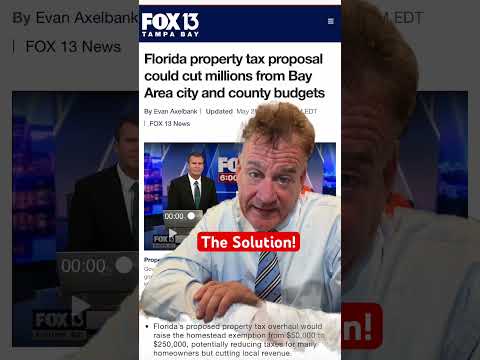


Go Deeper
Frequently Asked Questions
What does Florida's 2026 property tax amendment do?
As placed on the November 3, 2026 ballot, it raises the non-school homestead exemption to $150,000 in 2027 and $250,000 in 2028, cuts the non-homestead assessment cap to 5%, and limits local spending categories. It needs 60% approval.
How much revenue would Florida local governments lose?
The estimate reported for the amendment is $4.6 billion in fiscal year 2027-28 and $8.4 billion in 2028-29.
Can cities collect old code enforcement fines?
Yes. Recorded fine orders are liens that can be foreclosed after three months, except on homestead property, and they last up to 20 years.
Would collecting code liens raise taxes on homeowners?
No. Collection targets the owners who incurred the fines, mostly abandoned and non-homestead properties.
Talk to a Florida code enforcement lawyer
Weidner Law, P.A. represents Florida cities and counties in code enforcement lien foreclosure and lien clearing, and advises property owners facing code liens. To talk about a program or a specific property, call (727) 954-8752 or email weidner@mattweidnerlaw.com.
Read the law yourself, free: every Florida rule and statute is on floridarules.net.
This article is general information about Florida law, not legal advice about your situation. Reading it, watching the videos, or contacting the firm does not create an attorney-client relationship. Every case turns on its own facts, and past results do not guarantee a similar outcome. The hiring of a lawyer is an important decision that should not be based solely upon advertisements.
