

In short: No. In Safe Harbor v. 9775 Dixie (Fla. 3d DCA 2024), the lender wanted specific performance of a deed in lieu signed under a forbearance agreement. The court affirmed a foreclosure judgment instead, kept the borrower’s statutory right of redemption, and held the borrower to the debt figures it stipulated to in the agreement.
The Facts
A commercial borrower, 9775 Dixie LLC, defaulted on a mortgage loan on Miami-Dade property. Safe Harbor, which had bought the note and mortgage, accelerated the debt. Before any lawsuit was filed, the parties signed a settlement and forbearance agreement. The borrower stipulated to the amount owed and agreed to make interest-only payments for two years, followed by a balloon payment.
The agreement had a default remedy built in. The borrower had to sign a deed in lieu of foreclosure, which the lender would hold in escrow and could record on default. Recording the deed was to waive the borrower’s statutory redemption rights. A separate clause let the lender choose any remedy under the note and mortgage, including foreclosure.
The borrower’s first check bounced, and the lender recorded the deed. The borrower then said the deed was a forgery, because one signer could not have signed where the notary said she did. The borrower sued to quiet title, demanded an estoppel letter, and claimed the agreement was unconscionable. The lender counterclaimed for specific performance (a valid, re-signed deed in lieu) and, in the alternative, for foreclosure. The trial court found the deed forged, quieted title in the borrower, denied specific performance, granted foreclosure, and preserved the right of redemption. The property was worth roughly double the debt.
The Decision
The Third District affirmed on every point. Specific performance is a discretionary, equitable remedy, and a court may refuse it where it would produce an unfair result. Here the trial court’s unchallenged findings showed the property was worth far more than the debt, so forcing a deed in lieu would hand the lender a windfall. The lender had also asked for foreclosure as its alternative remedy, and the court was not willing to call it an abuse of discretion to give the lender exactly what it requested. Because the redemption waiver was tied to recording a deed in lieu, refusing the deed meant the borrower kept its right to redeem.
On the cross-appeal, the borrower lost too. It had stipulated in the agreement to the amounts due, including default interest, and that stipulation bound it. The court distinguished SheddF2-FL3, LLC v. Penthouse South, LLC, where the lender abandoned foreclosure and the validity of the deeds was not disputed.
The Law
Florida treats foreclosure as an equitable action. A borrower can stop a sale by paying the judgment amount before the clerk files the certificate of sale (or a later time set in the judgment). That is the right of redemption in section 45.0315. Courts have upheld deeds in lieu that settle a pending foreclosure case. But where a lender asks a court to order a deed in lieu, it is asking for specific performance. That relief is never automatic, and the judge must weigh whether it would be unjust.
The estoppel-letter duty the borrower invoked is in section 701.04. The borrower also raised Florida’s rule that any instrument given as security is treated as a mortgage (section 697.01). The opinion decided the case on equitable grounds and did not rule on that argument.
Current law (2026): Sections 45.0315, 701.04 and 697.01 remain in effect in the 2026 Florida Statutes; the redemption text in 45.0315 is unchanged.
Lessons
- A deed in lieu held in escrow under a forbearance deal is not a guaranteed shortcut for the lender. If the deed has to be enforced in court, equity decides.
- Equity in the property matters. When the property is worth far more than the debt, courts are reluctant to let a lender take it without a sale.
- Stipulations in a forbearance agreement about the amount owed, including default interest, will likely bind the borrower later.
- Pleading foreclosure as an alternative remedy can limit what a lender can argue on appeal if the court grants that alternative.
Watch the Oral Argument
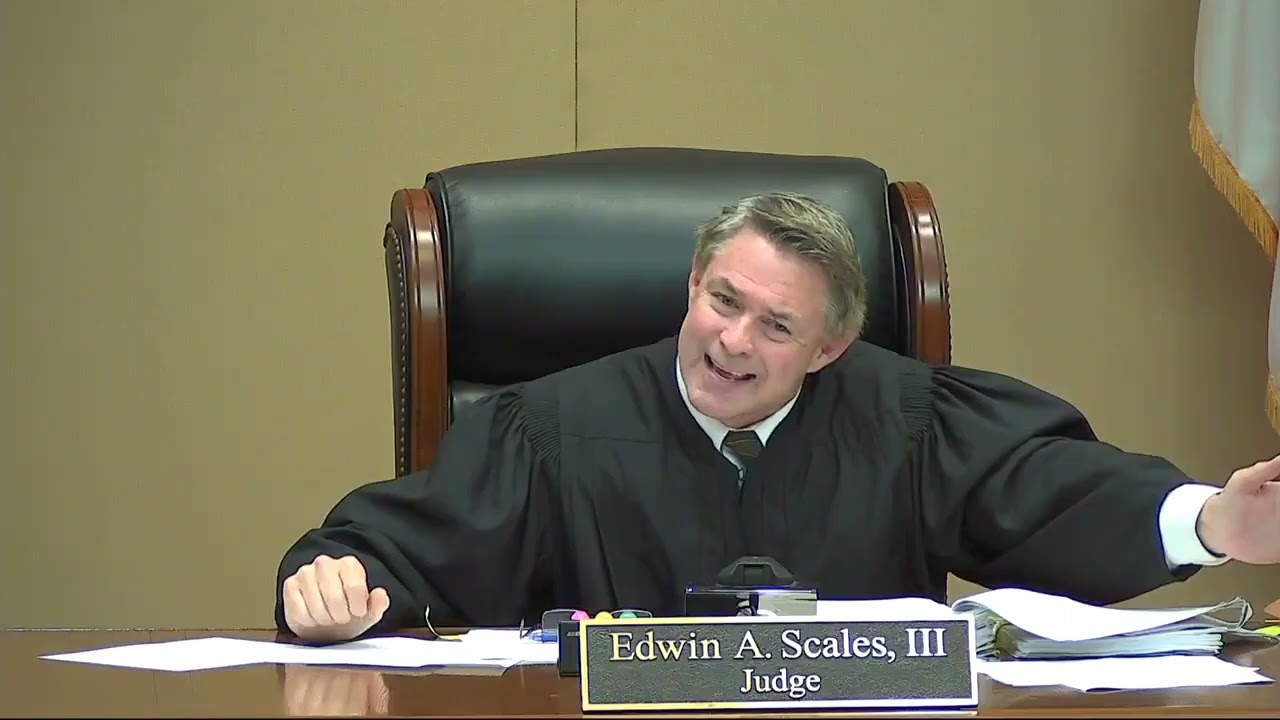
This is the recording of the actual oral argument, posted on the channel. What lawyers and judges say at argument is not the ruling; the decision is summarized above.
Enforcing a Deed in Lieu of Foreclosure in a Forbearance Deal: Strict Foreclosure? | Safe Harbor v. 9775 Dixie
Go Deeper
- How to Stop a Foreclosure in Florida: The Options That Still Work in 2026
- The Florida Foreclosure Sale: Timing, Redemption, Surplus Funds, and When You Have to Move
- The Florida Foreclosure Process, Step by Step
Frequently Asked Questions
Can a lender in Florida record a deed in lieu signed in a forbearance agreement?
Sometimes. Courts have upheld deeds in lieu that settle a pending foreclosure. But if the deed is invalid or disputed and the lender asks the court to compel a new one, that is specific performance. The court can refuse it if it would be unfair, as it did in Safe Harbor v. 9775 Dixie, where the property was worth about twice the debt.
Does signing a deed in lieu waive my right of redemption in Florida?
It can, if the agreement says so and the deed is validly delivered and recorded. In this case the waiver depended on recording a valid deed in lieu. Because the deed was forged and the court refused to compel a new one, the borrower kept its statutory right to redeem under section 45.0315.
Is a forbearance agreement stipulation to the loan balance binding?
Generally yes. In this case the borrower stipulated to the amounts due, including default interest, in exchange for forbearance, then defaulted. The appeals court held the trial court properly used that stipulation to calculate the foreclosure judgment and rejected the borrower’s challenge to default interest. A borrower who signs such a stipulation should assume it will be enforced later.
What happens if a deed in lieu of foreclosure is forged?
A forged deed conveys nothing. Here the trial court quieted title back in the borrower after finding the signatures could not be genuine, and no one appealed that ruling. The lender was left with ordinary foreclosure of its mortgage, which still allowed the borrower to redeem before the sale.
Talk to a Florida foreclosure defense lawyer
Weidner Law, P.A. has defended Florida homeowners in foreclosure and foreclosure appeals for more than 25 years. If you need a foreclosure defense lawyer, call (727) 954-8752 or email weidner@mattweidnerlaw.com.
Read the law yourself, free: every Florida statute and court rule is on floridarules.net.
This article is general information about Florida law, not legal advice about your situation. Reading it, watching the videos, or contacting the firm does not create an attorney-client relationship. Every case turns on its own facts, and past results do not guarantee a similar outcome. The hiring of a lawyer is an important decision that should not be based solely upon advertisements.
