

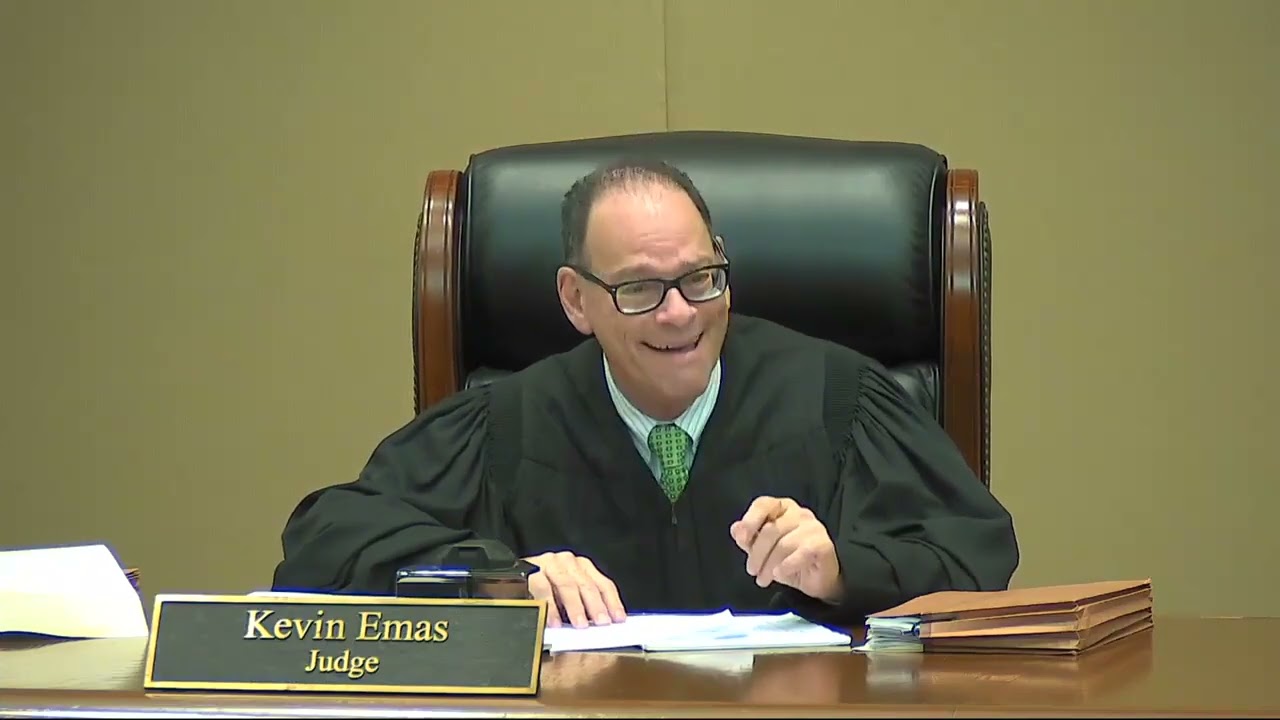
In short: A Florida guardianship requires clear and convincing evidence of incapacity (§ 744.331). The person has a right to a lawyer, to be present, and to challenge the three-member examining committee. If a majority finds no incapacity, the petition is dismissed. A guardian can’t be appointed if an alternative, like a power of attorney, is enough.
A guardianship can take away the right to manage money, sign contracts, decide where to live, even marry. Florida’s guardianship statute says so itself: a total incapacity adjudication "deprives such person of all her or his civil and legal rights" (§ 744.1012). That is why the process has guardrails, and why they matter when you fight one.
Step One: The Petition and the Lawyer
Notice of the petition must be served on and read to the alleged incapacitated person. The court must appoint an attorney for that person in every case (§ 744.331(2)). The person can substitute a lawyer of their own choosing. That lawyer represents the person, not the family member who filed.
Step Two: The Examining Committee
Within 5 days after the petition is filed, the court appoints a three-member examining committee. One member must be a psychiatrist or other physician. Unless good cause is shown, the family doctor can’t serve. Each member examines the person and files a report.
"If a majority of the examining committee members conclude that the alleged incapacitated person is not incapacitated in any respect, the court shall dismiss the petition." (§ 744.331(4))
The reports are evidence, and they can be challenged: how long the exam took, what records were reviewed, whether the report is stale by the time of the hearing.
Step Three: The Hearing
The adjudicatory hearing is held at least 10 days (waivable) and no more than 30 days after the last committee report is filed, unless good cause is shown. The person must be present unless that is waived or good cause is shown. And the standard is high:
"the partial or total incapacity of the person must be established by clear and convincing evidence." (§ 744.331(5)(c))
Alternatives Beat Guardianship
Even if the court finds incapacity, it must consider whether an alternative will do the job. "A guardian may not be appointed if the court finds there is an alternative to guardianship which will sufficiently address the problems of the incapacitated person" (§ 744.331(6)(b)). A valid durable power of attorney and health care advance directives are the most common alternatives.
Florida also prefers the least restrictive form of guardianship. A limited guardianship removes only the specific rights the person can’t exercise. Everything else stays with the person (§ 744.3215).
If the Petition Was Filed in Bad Faith
If the petition is dismissed and the court finds it was filed in bad faith, costs and attorney’s fees may be assessed against the petitioner (§ 744.331(7)(c)).
Getting Rights Back: Restoration
A guardianship doesn’t have to be permanent. Any interested person, including the ward, may file a suggestion of capacity. The court must then immediately appoint a physician, who examines the ward and reports within 20 days (§ 744.464).
Preserve the Record
Several of the appeals below turn on what was, or wasn’t, done in the trial court: objecting to hearsay reports, insisting on a full hearing, and substituting a guardian for an incompetent party. Appellate courts review the record. Build it.
Watch: the videos behind this article
Guardianship: Did Consenting to Limited Incapacity Waive the Right to a Full Hearing?
Watch the Real Appellate Arguments
These are recordings of actual Florida appellate oral arguments in guardianship cases, posted on the channel. Watch how the judges question both sides. An argument is not a ruling: read the written opinion, and check whether later cases changed the law, before relying on any outcome.
Guardianship Adversary Proceeding: Was Dismissal With Prejudice Without Leave to Amend?
Florida Guardianship Appeal | Incompetency & Probate Case | 2nd DCA
Florida Guardianship Appeal: Michael Cruz v. Helen Waishkey Case
Guardianship Case: Breach of Fiduciary Duty on Appeal in Court
Guardianship Abuse- 18 1603 MARSHALL FORMER PERMANENT GUARDIANS JILL P ZINK v BRYA
More Arguments on This Issue



Go Deeper
- How to Avoid Guardianship in Florida (Power of Attorney and Other Alternatives)
- Florida Probate Case: Challenging Guardianship Fees After Death
- Florida Probate Appeals: The Rules, the Record, and the Reality
Frequently Asked Questions
What is the burden of proof to establish a guardianship in Florida?
Clear and convincing evidence. Section 744.331(5)(c) requires that partial or total incapacity be established by clear and convincing evidence at the adjudicatory hearing.
Who is on the examining committee in a Florida guardianship?
Three members appointed by the court within 5 days of the petition. One must be a psychiatrist or other physician; the family physician generally can’t serve. If a majority finds no incapacity, the petition is dismissed.
Can a power of attorney prevent a guardianship in Florida?
Often, yes. Under § 744.331(6)(b), a guardian may not be appointed if an alternative to guardianship, such as a valid durable power of attorney or advance directive, will sufficiently address the person’s needs.
How do you end a guardianship in Florida?
File a suggestion of capacity under § 744.464. Any interested person, including the ward, may file it. The court must appoint a physician to examine the ward and report within 20 days.
Talk to a Florida probate litigator
Weidner Law, P.A. handles Florida probate, trust, and will disputes from St. Petersburg. If you need a probate litigation lawyer for a contested guardianship, call (727) 954-8752 or email weidner@mattweidnerlaw.com.
Read the law yourself: Chapter 744, Florida Statutes (Guardianship). The Florida Probate Code and Probate Rules, including the guardianship rules, are free on floridarules.net.
This article is general information about Florida law, not legal advice about your situation. Reading it, watching the videos, or contacting the firm does not create an attorney-client relationship. Every case turns on its own facts, and past results do not guarantee a similar outcome. The hiring of a lawyer is an important decision that should not be based solely upon advertisements.
