
In short: The Opus Condominium Association argued its construction defect claims were timely because the repose period ran from when unit buyers took possession in 2011, not from the 2009 certificate of occupancy. The Fifth DCA affirmed the ruling against the association without an opinion in 2024. Under today’s statute, the seven-year repose clock runs from the certificate of occupancy.
The Facts
Because the Fifth District affirmed without an opinion, the facts below come from the arguments presented on appeal, not from findings in a written decision. The Opus Condominium Association, in Volusia County, sued the developer entities, the general contractor and a long list of design professionals, subcontractors and suppliers over alleged construction defects. The circuit court case was filed in 2020.
The appeal turned on the statute of repose for construction claims, then found in section 95.11(3)(c). Under the version that applied, the outside deadline ran from the latest of several events, including the date of actual possession by the owner and the issuance of a certificate of occupancy. The building’s certificate of occupancy issued in 2009, but the first unit deeds to buyers were not delivered until 2011. The association argued that actual possession by the owner meant possession by the unit owners, which would make its claims timely. The defendants argued the clock ran from the earlier events, which would make the suit too late.
The Decision
On September 24, 2024, the Fifth District issued a per curiam affirmance (a PCA) with no written opinion, leaving the trial court’s ruling against the association in place. A PCA decides only this case. It does not explain the court’s reasoning and generally cannot be cited as precedent, so it does not establish a statewide rule on what actual possession by the owner meant under the old statute.
The Law
The Legislature has since changed the law. Construction defect claims are now governed by section 95.11(3)(b). The limitations period is four years, and the outside repose deadline is seven years (formerly ten). Both now run from the earliest of the date the building authority issues a temporary certificate of occupancy, a certificate of occupancy or a certificate of completion, or the date construction is abandoned. Latent defects still get a discovery rule for the four-year period, but not beyond the seven-year repose. Each building in a multi-building project is treated as a separate improvement, and warranty repairs do not restart the clock.
The old trigger the Opus association relied on, actual possession by the owner, is gone from the current statute. For condominiums, turnover from the developer and the association’s own claims process under Chapter 718 still matter, but they do not extend the repose deadline.
Current law (2026): Section 95.11(3)(c) (2009-2022 versions) was amended in 2023 (SB 360) and the construction provision now appears at s. 95.11(3)(b), Fla. Stat. (2026): 4-year limitations and 7-year repose, both running from the earliest of TCO/CO/certificate of completion or abandonment; ‘actual possession by the owner’ trigger eliminated. Verified on flsenate.gov 2026 text.
Lessons
- Condo boards: under current law, count seven years from the certificate of occupancy (or temporary CO), not from turnover or the first closing, as the outside deadline for construction claims.
- Get a building inspection and defect investigation done well before that deadline, especially after developer turnover.
- For a multi-building community, check the certificate date for each building; each runs separately.
- A PCA means the trial court ruling stood, but it does not create precedent. Don’t read it as a rule for other cases.
Watch the Oral Argument
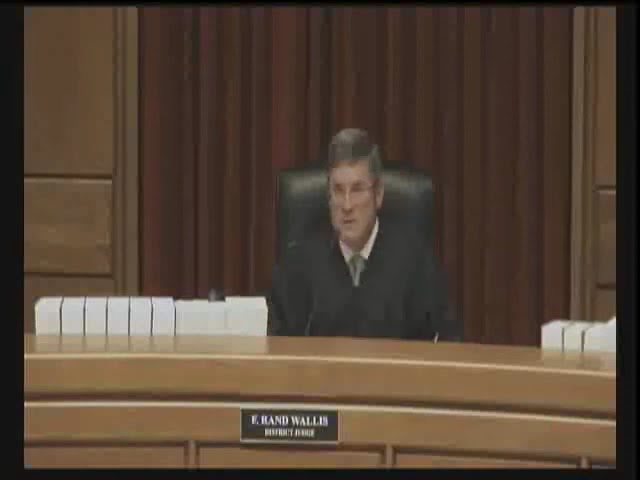
This is the recording of the actual oral argument, posted on the channel. What lawyers and judges say at argument is not the ruling; the decision is summarized above.
Condo Defects & Statute of Repose: When Does the Clock Start? | Opus Condo, 5D23-1336
Go Deeper
- Condo Construction Defects: When an Early Report Starts the Clock (Lexi v. Moss)
- A Mid-Trial Jury Instruction Change and a Lost Condo Defect Case (Eloquence v. CDC Builders)
Frequently Asked Questions
How long does a Florida condo association have to sue for construction defects?
Under section 95.11(3)(b) as amended, the general deadline is four years, starting from the earliest of the temporary certificate of occupancy, certificate of occupancy, certificate of completion, or abandonment of construction, with a discovery rule for latent defects. Regardless of discovery, the claim must be filed within seven years of that same date.
Does the statute of repose start when unit owners move in?
Not under current law. The old statute included actual possession by the owner as one trigger, which the Opus association argued meant unit owners taking title. The current statute instead starts the clock at the certificate of occupancy or similar milestone, so the date buyers close or move in no longer extends the deadline.
What does a PCA mean in a Florida appeal?
A per curiam affirmance, or PCA, means the appellate court affirmed the trial court without writing an opinion explaining why. The losing party generally cannot seek review in the Florida Supreme Court, and the decision is not precedent for other cases. In Opus, it left the trial court’s ruling against the association in place.
Do warranty repairs restart the construction defect deadline?
No. The current statute says that when work was done under a building permit and a certificate was issued, later corrections or repairs, whether under warranty or not, do not extend the time to file. Associations should not wait on a developer’s repair efforts to decide whether to preserve their claims.
Talk to a Florida condominium dispute lawyer
Weidner Law, P.A. handles condominium association and unit-owner disputes from St. Petersburg. If you need a property dispute lawyer, call (727) 954-8752 or email weidner@mattweidnerlaw.com.
Read the law yourself, free: every Florida statute and court rule is on floridarules.net.
This article is general information about Florida law, not legal advice about your situation. Reading it, watching the videos, or contacting the firm does not create an attorney-client relationship. Every case turns on its own facts, and past results do not guarantee a similar outcome. The hiring of a lawyer is an important decision that should not be based solely upon advertisements.
