
In short: It depends on the lease. Whether a commercial tenant may walk away after water intrusion turns on the lease’s repair, maintenance and casualty terms, not on a general rule. In 1111 Brickell Office, LLC v. Hogan Lovells US LLP, the landlord of a Brickell Avenue office tower sued the law firm over its exit from the lease after water damaged its space. The landlord appealed after the trial court ruled against it, and on November 18, 2015 the Third District affirmed without a written opinion.
The Facts
Hogan Lovells US LLP leased office space at 1111 Brickell in Miami. Its landlord, 1111 Brickell Office, LLC, brought a multimillion-dollar lawsuit in Miami-Dade circuit court over the firm’s right to end the lease after water damaged the space, according to a Law360 report on the appeal.
The case was tried; the appellate docket shows trial exhibits made part of the record. The landlord filed two appeals from final orders, which the Third District consolidated under No. 3D15-355, and the docket shows the landlord posted a supersedeas bond, a bond normally posted to stay enforcement of a money judgment pending appeal.
The Third District heard argument on October 28, 2015. Law360 reported that the firm’s counsel argued window washing was not among the tenant’s responsibilities under the lease. We do not have a transcript of the argument, and there is no written opinion, so the details of each side’s position are not stated here.
The Decision
On November 18, 2015, the Third District affirmed in a per curiam affirmance (PCA) with no written opinion. The mandate issued on December 4, 2015.
A PCA means the trial court’s judgment stands. It decides only this case and does not tell us which argument the court accepted, so it sets no precedent on when a tenant may leave after water intrusion.
The Law
Most Florida commercial lease disputes are decided under the lease itself and ordinary contract law. Part I of chapter 83, which governs nonresidential tenancies, supplies only a few default rules.
One of them is section 83.201. When a commercial lease puts the duty to make repairs or provide maintenance on the landlord but is silent on the procedure, the tenant may withhold rent after giving the landlord written notice and 15 days to cure. It does not, by itself, let a tenant terminate the lease.
A tenant who claims the premises became unusable may also argue constructive eviction: the landlord’s breach made the space unfit for its intended use and the tenant left within a reasonable time. Casualty and damage clauses, which say who repairs, whether rent abates and when either side may terminate after damage, usually control the outcome.
A landlord of nonresidential property can recover possession only through a court action, the tenant’s surrender, or abandonment under section 83.05.
Lessons
- Before leaving a damaged space, read the casualty, repair, maintenance and termination clauses and give every notice the lease requires. Leaving without following the lease is how tenants lose these cases.
- Document the water intrusion, every complaint to the landlord and every repair attempt. These cases are tried on photographs, reports and correspondence.
- Landlords should define exactly which building systems and exterior items, such as windows, roofs and facades, are the landlord’s responsibility. Who was responsible for window washing came up at the argument here.
- A per curiam affirmance ends the appeal but sets no precedent. The trial court’s decision is what governed these parties.
Watch the Oral Argument
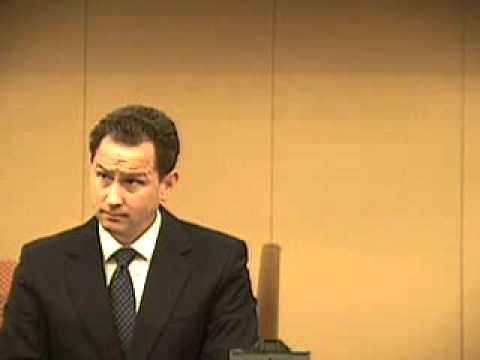
This is the recording of the Third District oral argument, posted on the channel. What lawyers and judges say at argument is not the ruling, and this decision was a per curiam affirmance without an opinion.
🏢 Can a Law Firm Breach a Commercial Lease? | 1111 Brickell v. Hogan Lovells | 3DCA 15-0355
Go Deeper
- Leaky Roof Killed the Deli: Lost Profits, Not Market Value (Katz Deli v. Waterways Plaza)
- Is a Landlord's "You Need to Relocate" Letter a Constructive Eviction? (In-Time v. Metromall)
- Commercial Lease Fights in Florida: Lockouts, Holdovers and One Word in the Lease
Frequently Asked Questions
Can a commercial tenant break a lease because of water damage in Florida?
Only if the lease allows it or the landlord’s breach amounts to a constructive eviction. Most commercial leases have casualty and repair clauses that decide who fixes the damage, whether rent abates and whether anyone can terminate. In 1111 Brickell v. Hogan Lovells, the landlord’s suit over the firm’s exit failed, but the affirmance came without an opinion.
Can a commercial tenant withhold rent if the landlord won't make repairs in Florida?
Sometimes. Under section 83.201, if the lease makes the landlord responsible for repairs but is silent on procedure, the tenant may withhold rent after written notice and 15 days for the landlord to fix the problem. The lease can change that procedure.
What is constructive eviction in a Florida commercial lease?
It is when the landlord’s acts or failures make the premises unfit for the purpose leased, and the tenant leaves within a reasonable time because of it. The tenant then is excused from future rent, but must prove the landlord caused the problem and that it was serious.
What does a per curiam affirmance mean in a lease appeal?
It means the appellate court affirmed the trial court without explaining why. The judgment stands, but the decision cannot be cited as precedent for other cases.
Talk to a Florida real estate litigation lawyer
Weidner Law, P.A. handles Florida real estate disputes, title problems and appeals from St. Petersburg. If you need a real estate litigation lawyer, call (727) 954-8752 or email weidner@mattweidnerlaw.com.
Read the law yourself, free: every Florida statute and court rule is on floridarules.net.
This article is general information about Florida law, not legal advice about your situation. Reading it, watching the videos, or contacting the firm does not create an attorney-client relationship. Every case turns on its own facts, and past results do not guarantee a similar outcome. The hiring of a lawyer is an important decision that should not be based solely upon advertisements.
