
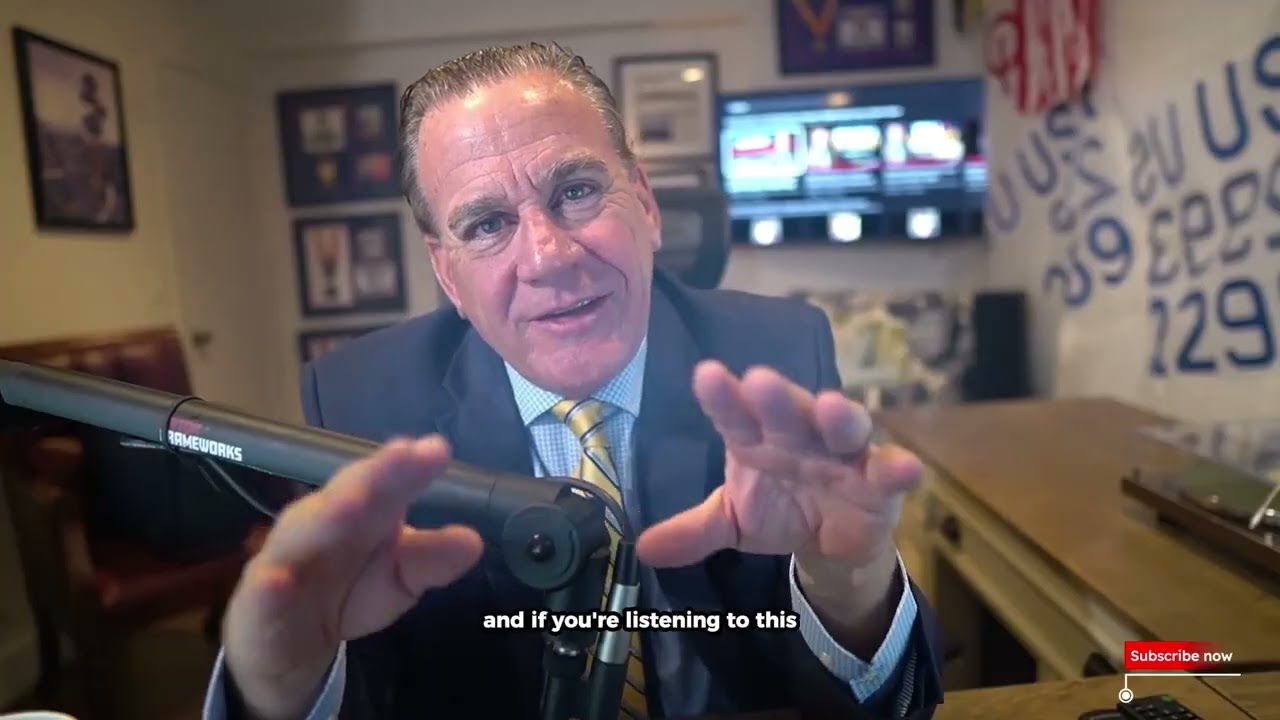

In short: Florida handles more than 70,000 new probate cases a year, but very few are ever tried. Matt Weidner sees a parallel to the 2008 foreclosure crisis: a high-volume system that moves files efficiently can hide problems in how estates and trusts are run. Two statutes do most of the work in these disputes, and AI is most useful as a cross-check on assumptions, not as a source of law.
What the court data shows
According to the Florida Office of the State Courts Administrator, Florida circuit courts received 73,282 probate cases, 651 trust cases and 9,959 guardianship cases in fiscal year 2024-25. Probate filings peaked at 83,459 in FY 2021-22. Guardianship filings rose about 42% between FY 2015-16 and FY 2024-25.
Of 66,688 probate dispositions in FY 2024-25, only 92 were by non-jury trial. Nearly everything is resolved on paper, by agreement or by default.
Clearance rates are not the same as justice
OSCA publishes a clearance rate dashboard. A clearance rate is cases disposed divided by cases filed in the same period: 900 dispositions on 1,000 filings is 90%. Rates below 100% over time mean a growing backlog.
A clearance rate measures how many files are closed. It does not measure how long a case took, whether the fiduciary did the job properly, or whether beneficiaries got what they were owed. That gap is what reminds Weidner of foreclosure: a system rewarded for closing cases, while the underlying problems surfaced later.
The two statutes that drive most disputes
Personal representatives. Under § 733.602(1), a personal representative is a fiduciary who must observe the standards of care that apply to trustees and settle the estate as expeditiously and efficiently as is consistent with the estate’s best interests. A PR who breaches that duty is liable for the resulting loss, and the court awards costs including attorney’s fees in those actions (§ 733.609).
Trustee attorney fees. When a breach-of-trust claim or defense is raised in a filed pleading, a trustee may pay its lawyers from trust assets, but only after serving a written notice of intent on each qualified beneficiary (§ 736.0802(10)). The notice must tell beneficiaries they can ask the court to stop the payments. If the trustee pays before giving notice, a qualified beneficiary is entitled to an order compelling return of the money with interest. If notice was given, the court can prohibit or claw back payments when there is a reasonable basis to conclude there was a breach of trust.
Beneficiaries are often unaware that trust money is paying the lawyers defending the trustee against them. Checking whether the notice was served is one of the first things to do in any trust dispute.
Where AI fits
AI tools are known for inventing case citations, and Florida has responded. As amended effective June 15, 2026, Rule of General Practice and Judicial Administration 2.515 provides that a lawyer’s signature represents that cited authorities exist and are accurately cited.
Used carefully, AI is better as a skeptic than as a researcher: asking it to find the weak points in an argument, to check whether a fiduciary’s accounting adds up, or to flag the statutes that might apply. Every authority still has to be read and verified by a lawyer.
A note on the video descriptions
The descriptions for both videos cite “Florida Statute § 736.0800” for the trustee fee notice requirement. There is no § 736.0800; the provision is § 736.0802(10).
Lessons
- Very few probate cases are tried; most disputes are won or lost on the record and on the statutes.
- Hold personal representatives to the trustee standard of care in § 733.602.
- In a trust dispute, check whether the trustee served the § 736.0802(10) notice before paying its lawyers.
- Use AI to test arguments, and verify every citation yourself.
Source: Fla. Stat. § 736.0802 (2026), Florida Senate
Source: Fla. Stat. § 733.602 (2026), Florida Senate
Source: Florida Courts Clearance Rate Dashboard
Watch the Videos
Two longer conversations on court data, fiduciary statutes and AI.
Why AI Is Exposing the Hidden Crisis in Florida Probate and Trust Litigation
Beyond Hallucinations: How AI and Florida Statutes Are Exposing Probate and Trust Litigation
Go Deeper
- Florida Personal Representative Duties and Liability
- How to Challenge Probate Attorney Fees in Florida
- Someone Stealing From an Estate in Florida?
Frequently Asked Questions
How many probate cases are filed in Florida each year?
Florida courts received 73,282 probate cases in fiscal year 2024-25, according to the Office of the State Courts Administrator.
What is a court clearance rate?
Cases disposed divided by cases filed in the same period. It measures how many files are closed, not how long cases take or how well they were handled.
Can a Florida trustee use trust money to pay its lawyers in a lawsuit?
Yes, but in a breach-of-trust proceeding the trustee must first serve a written notice of intent on qualified beneficiaries under § 736.0802(10). Payments made without notice can be ordered returned with interest.
What standard of care applies to a Florida personal representative?
The standards of care that apply to trustees, under § 733.602(1).
Talk to a Florida probate litigation lawyer
Weidner Law, P.A. handles Florida probate, trust, guardianship and elder-exploitation disputes from St. Petersburg. If you need a probate litigation lawyer, call (727) 954-8752 or email weidner@mattweidnerlaw.com.
Read the law yourself, free: the full Florida Probate Code and Probate Rules and the Florida Trust Code are on floridarules.net.
This article is general information about Florida law, not legal advice about your situation. Reading it, watching the videos, or contacting the firm does not create an attorney-client relationship. Every case turns on its own facts, and past results do not guarantee a similar outcome. The hiring of a lawyer is an important decision that should not be based solely upon advertisements.
Keep Reading: Related Florida Probate and Trust Questions
Go Deeper: The Statutes and the Appellate Cases
Want the primary sources behind this answer? Start here.
- Chapter 733: Estate Administration, Personal Representatives, Fees and Creditor Claims (statute text on FloridaRules.net)
- Chapter 736: Florida Trust Code (statute text on FloridaRules.net)
