
In short: Amending a zoning code is a legislative act, and Florida courts have said a body sitting in a quasi-judicial capacity must apply the code as written, but neighbors who challenge a mixed hearing face a very hard standard on second-tier certiorari. In Eastern Shores Property Owners Association v. City of North Miami Beach, residents argued the city commission amended its code, including a requirement for multiple access points, in the same hearing in which it approved a development. The circuit court upheld the approval, and on November 23, 2022 the Third District denied further review without a written opinion.
The Facts
Eastern Shores is a residential area of North Miami Beach bounded by water, with limited road access. In 2015 the city upzoned a nearby district, and the residents said the code then required the development to have multiple points of direct access to 163rd Street or State Road 826. Years later, Dezer Intracoastal Mall, LLC sought approval of a development plan and development agreement with fewer direct access points.
The city commission held lengthy hearings that were placed on the agenda and conducted as quasi-judicial, with sworn witnesses, cross-examination and affected-party status for neighborhood groups. In the same proceeding, the commission adopted ordinances amending its land development regulations, including the regulating plans, and approved the project. The Eastern Shores Property Owners Association and several residents sought certiorari review in the circuit court appellate division, which upheld the approval. They then petitioned the Third District for second-tier certiorari (No. 3D2022-0321).
The case was argued on November 7, 2022. Eric D. Isicoff argued for the petitioners, and Jeffrey S. Bass and city attorney Hans Ottinot argued for the respondents. The points below are what the lawyers argued, not findings by the court.
- The residents argued the hearing was noticed, announced and held as quasi-judicial, so the commission had to apply the code as it stood. Citing the Third District’s 2001 Brennan decision, they argued that amending zoning regulations is legislative and cannot be done by a body sitting quasi-judicially.
- They argued the commission and the circuit court applied the wrong law by approving a project the existing code did not allow, and that the circuit court ignored whether the project was compatible with the surrounding neighborhood.
- The respondents argued the ordinances were published, noticed and read by title as state law requires, that the public got more process than a legislative hearing would provide, and that no one objected to the procedure at the hearing.
- They argued there was no injury: the city could have adopted the same ordinances legislatively, no development beyond what was approved in 2015 was added, and density was reduced. They also argued compatibility was debated and decided by the commission and is not a second-tier question.
- The panel pressed both sides. Judges noted that the agenda listed the items under “quasi-judicial” and listed “legislation: none,” and asked how anyone could prepare for a quasi-judicial hearing while the law being applied was changing. They also asked repeatedly what miscarriage of justice resulted if the public knew from the notice what was being considered.
The Decision
The Third District denied the petition on November 23, 2022, in a per curiam decision without a written opinion. The petitioners moved for rehearing, rehearing en banc, certification to the Florida Supreme Court and a written opinion, and the court denied those motions on February 27, 2023. The mandate issued March 15, 2023.
A denial of second-tier certiorari without opinion does not mean the appeals court approved the city’s procedure. It means the court did not find that the circuit court’s decision met the narrow standard for second-tier relief. The circuit court’s decision upholding the approval stands.
The Law
Florida separates legislative land use decisions, like adopting or amending a code, from quasi-judicial decisions, like applying the existing code to a specific application. Quasi-judicial decisions must follow procedural due process, rest on competent substantial evidence and apply the law in effect. They are reviewed first in the circuit court by certiorari. Legislative acts are generally challenged in an original action instead, and they receive more deference.
A party who loses in the circuit court can seek second-tier certiorari in the district court of appeal under Florida Rule of Appellate Procedure 9.100. Under the Florida Supreme Court’s decision in Haines City Community Development v. Heggs (1995), that review is limited to whether the circuit court afforded procedural due process and applied the correct law, and relief is granted only for a departure from the essential requirements of law that results in a miscarriage of justice. That high bar is why the panel kept asking about harm.
Cities adopt ordinances under section 166.041, which sets notice and reading requirements, with additional notice and hearing requirements for ordinances that change zoning or permitted uses. The city argued it met those requirements here, even though the hearing was also run as a quasi-judicial proceeding.
Lessons
- If you oppose a project, read the published notice and the agenda closely. Object on the record, at the hearing, to any mixing of a code amendment with a quasi-judicial approval.
- Know which review applies. A quasi-judicial approval is challenged by certiorari in circuit court within 30 days; a legislative amendment may require a separate lawsuit.
- Second-tier certiorari is rarely granted. Win the case in the first-tier review if you can.
- Local governments can avoid this fight by adopting code amendments in a separate legislative proceeding before hearing the application under the amended code.
- A denial without opinion decides only that case. It does not approve or disapprove the procedure for future hearings.
Watch the Oral Argument
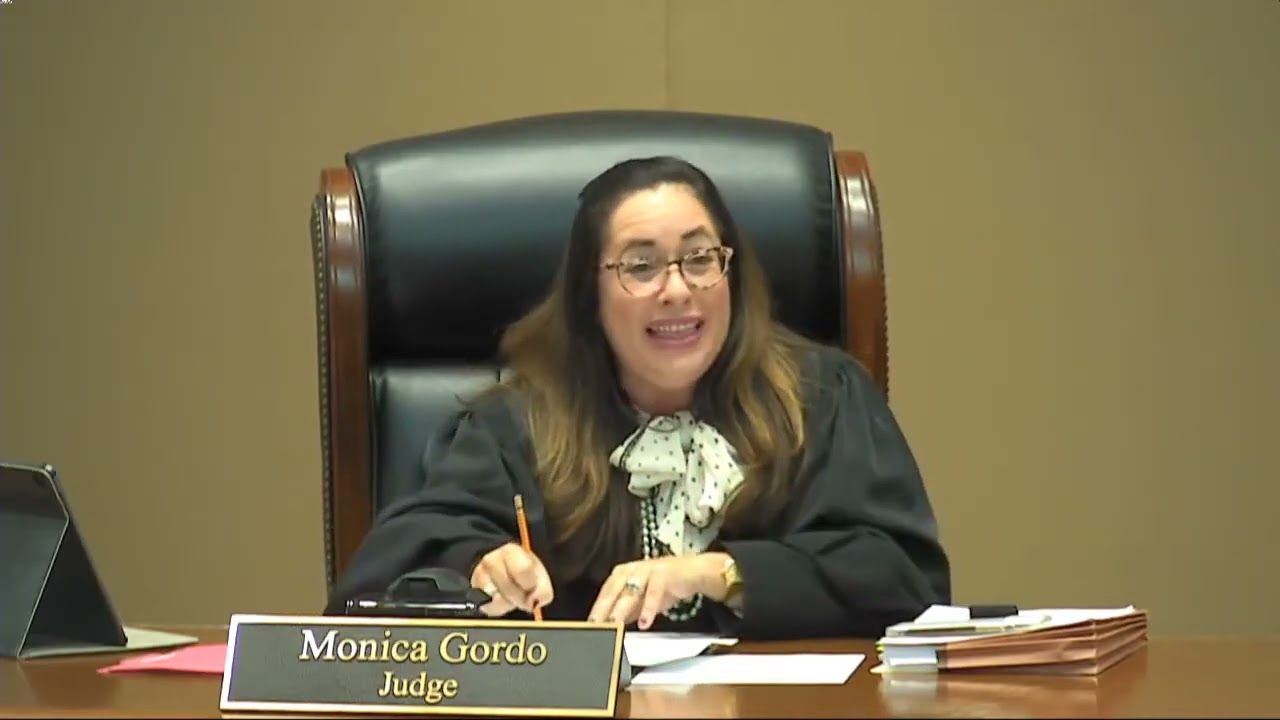
This is the recording of the actual oral argument, posted on the channel. What lawyers and judges say at argument is not the ruling; the decision is summarized above.
Can a City Amend Its Zoning Code During a Quasi-Judicial Hearing? Second-Tier Certiorari Review
Go Deeper
- Miami Beach Short-Term Rentals vs. the City: Injunction Denied (Eisenberg v. Miami Beach)
- Can a Later Amendment Extend Deed Restrictions on Land Already Sold? (Fiore v. Hilliker)
- Tax Deed Buyer Can't Build: Restrictive Covenants Survive the Sale (Kurzim v. Velasquez)
Frequently Asked Questions
What is a quasi-judicial zoning hearing in Florida?
It is a hearing where a city or county board applies existing rules to a specific property or application, acting like a court. Parties can present sworn evidence and cross-examine witnesses, and the decision must rest on competent substantial evidence. Amending the code itself is a legislative act, which is what the Eastern Shores residents said was improperly mixed into their hearing.
How do I appeal a city zoning decision in Florida?
A quasi-judicial decision is usually challenged by a petition for certiorari in the circuit court, generally within 30 days of the written decision. If that fails, a further petition for second-tier certiorari can be filed in the district court of appeal under rule 9.100, but relief there is rare. Legislative decisions are usually challenged in a separate lawsuit.
What is second-tier certiorari?
It is the district court of appeal’s review of a circuit court’s decision on a first-tier certiorari petition. The court asks only whether the circuit court afforded procedural due process and applied the correct law, and it grants relief only for a departure from the essential requirements of law that causes a miscarriage of justice. In Eastern Shores, the Third District denied that review without an opinion.
Can a city change its zoning rules to approve a specific project?
A city can amend its code by ordinance if it follows section 166.041 and its own charter and code, and courts give legislative decisions deference. The dispute in Eastern Shores was about doing it inside a quasi-judicial hearing on the same project. The Third District denied review without deciding that question in a written opinion.
Talk to a Florida real estate litigation lawyer
Weidner Law, P.A. handles Florida real estate disputes, title problems and appeals from St. Petersburg. If you need a real estate litigation lawyer, call (727) 954-8752 or email weidner@mattweidnerlaw.com.
Read the law yourself, free: every Florida statute and court rule is on floridarules.net.
This article is general information about Florida law, not legal advice about your situation. Reading it, watching the videos, or contacting the firm does not create an attorney-client relationship. Every case turns on its own facts, and past results do not guarantee a similar outcome. The hiring of a lawyer is an important decision that should not be based solely upon advertisements.
