
In short: Yes, if the complaint alleges the person committed the wrong in Florida, but you still have to serve them the right way. In Zielcke v. Rubio, a Colombian resident was sued for allegedly getting an elderly relative to sign a Miami-Dade deed by fraud or undue influence. On June 29, 2022, the Third District held the complaint alleged a tortious act in Florida, which supports long-arm jurisdiction, even though it never cited that statute, but it sent the case back for the trial court to decide whether service complied with the Hague Convention.
The Facts
Ilva Rubio and Vivian Bostwick sued Helga Zielcke, who lives in Colombia, in Miami-Dade circuit court. The second amended complaint sought rescission of a deed and damages for tortious interference with an expected inheritance, plus a statutory claim, and alleged that Zielcke fraudulently or through undue influence got Rubio to sign the deed. According to the argument, the property was deeded to a Florida corporation in which Zielcke holds most of the shares.
The plaintiffs served Zielcke through the Florida Secretary of State. Colombia is a party to the Hague Service Convention. Zielcke moved to quash service and to dismiss for lack of personal jurisdiction, and on January 19, 2022 the trial court denied the motion. She appealed that non-final order, and the case was argued on June 14, 2022. At argument:
- Zielcke argued the complaint relied only on section 48.181, a substituted-service statute for nonresidents doing business in Florida, and never pleaded the long-arm statute, so jurisdiction could not rest on a theory the plaintiffs did not plead. She argued service had to follow the Hague Convention, and that an earlier order saying she would stand dismissed if not served by a deadline had already ended the case against her.
- The plaintiffs argued the facts pleaded showed Zielcke came to Florida and committed the tortious acts here, that the court could affirm on any basis in the record, and that pandemic closures made service in Colombia under the Convention impossible.
- The panel pointed to paragraphs alleging that Zielcke fraudulently induced the signing of the deed in Miami-Dade, and asked what exception would excuse Hague compliance.
The Decision
The Third District affirmed in part and remanded in part in a written opinion on June 29, 2022. On jurisdiction, it held the second amended complaint adequately alleged specific jurisdiction under the tortious-act provision of the long-arm statute. The trial court had relied on a different basis, but an appellate court may affirm on any theory the record supports.
On service, the trial court’s order did not address Zielcke’s argument that serving her through the Secretary of State did not comply with the Hague Convention. Citing Puigbo v. Medex Trading, LLC, 209 So. 3d 598 (Fla. 3d DCA 2014), the court explained that service on a defendant living abroad must comply with the Convention when it applies. It remanded for the trial court to hold whatever proceedings it finds appropriate to decide that question and enter an appropriate order. The opinion did not discuss the self-executing dismissal argument. The mandate issued July 15, 2022.
The Law
Florida’s long-arm statute, section 48.193(1)(a)2., reaches a person who commits a tortious act within Florida, personally or through an agent, as to claims arising from that act. Allegations that a defendant procured a Florida deed by fraud or undue influence in Florida can satisfy it. Section 48.181, which the complaint cited, is a different statute about substituted service on nonresidents who do business in Florida.
Jurisdiction and service are separate requirements. A court can have power over a defendant and still lack valid service. When the defendant lives in a country that has joined the Hague Service Convention, service generally must follow the Convention.
Current law (2026): the version of section 48.194 the court cited addressed service outside Florida, including service that may have to conform to the Hague Convention. In 2022 the Legislature enacted section 48.197 (ch. 2022-190), which now governs service in a foreign country and allows internationally agreed means such as the Hague Convention, or other means a court orders that international agreement does not prohibit.
The time to serve process is governed by rule 1.070(j). Zielcke argued an order setting a service deadline dismissed her automatically; the panel questioned how such an order could become final, and the opinion did not adopt that argument.
Lessons
- Plead the long-arm statute and the subsection you rely on. Here the facts saved the complaint, but the defendant spent an appeal arguing the plaintiffs never cited it.
- Alleging that a nonresident procured a Florida deed by fraud in Florida can be enough to bring that person into a Florida court.
- If the defendant lives in a Hague Convention country, plan for Convention service early. Hardship and delay did not excuse it on this record.
- Do not count on a service-deadline order to dismiss a defendant on its own. Ask the court for a clear order.
Source: Zielcke v. Rubio, No. 3D22-134 (Fla. 3d DCA June 29, 2022); ACIS docket.
Watch the Oral Argument
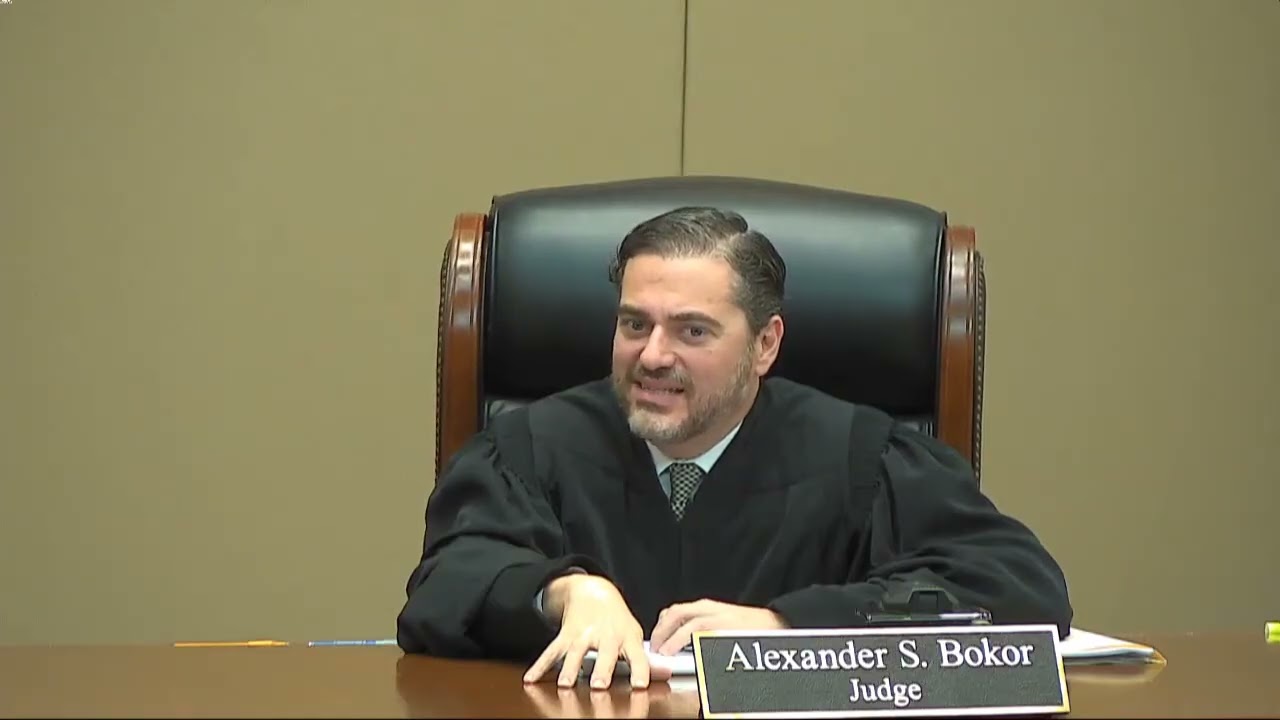
This is the recording of the actual oral argument, posted on the channel. What lawyers and judges say at argument is not the ruling; the decision is summarized above.
Nonresident Accused of Procuring a Deed: Is Long-Arm Jurisdiction Lost if § 48.193 Isn't Pled?
Read the Law on FloridaRules.net
The statutes and court rules discussed in this article, free to read on FloridaRules.net:
Go Deeper
- Hulk Hogan Case: Jurisdiction Challenge Must Be Heard (Blogwire Hungary v. Bollea)
- Officer Conveyed Company Property Without Approval? Appeal Affirmed (Wesley v. DeKloet)
- How To Challenge the Use of A Power of Attorney in Florida
Frequently Asked Questions
Can I sue someone who lives in another country in a Florida court?
Yes, if Florida’s long-arm statute reaches them and due process is satisfied. One basis is committing a tortious act in Florida under section 48.193(1)(a)2. In Zielcke v. Rubio, allegations that a Colombian resident procured a Miami-Dade deed by fraud were enough.
What can I do if a relative tricked an elderly family member into signing a deed?
Possible claims include rescission or cancellation of the deed and, for expected heirs, tortious interference with an expected inheritance, which the Zielcke plaintiffs pleaded. Who has standing to bring each claim matters. Act quickly and get a lawyer to look at the deed and the circumstances of the signing.
How do you serve a lawsuit on someone in Colombia or another Hague country?
Generally through the Hague Service Convention’s procedures. In Zielcke, service through the Florida Secretary of State was challenged, and the Third District sent the case back to decide whether it complied with the Convention. Florida’s current foreign-service statute is section 48.197.
Does my complaint have to cite the long-arm statute?
It is the safe practice, but in Zielcke the Third District affirmed jurisdiction because the facts alleged showed a tortious act in Florida, even though the complaint cited only section 48.181.
Talk to a Florida real estate litigation lawyer
Weidner Law, P.A. handles Florida real estate disputes, title problems and appeals from St. Petersburg. If you need a real estate litigation lawyer, call (727) 954-8752 or email weidner@mattweidnerlaw.com.
Read the law yourself, free: every Florida statute and court rule is on floridarules.net.
This article is general information about Florida law, not legal advice about your situation. Reading it, watching the videos, or contacting the firm does not create an attorney-client relationship. Every case turns on its own facts, and past results do not guarantee a similar outcome. The hiring of a lawyer is an important decision that should not be based solely upon advertisements.
