
In short: It can try, but a court will not always enforce it. A forbearance agreement that strips a borrower of the statutory right of redemption, the right to defend a foreclosure and the right to seek bankruptcy protection can be attacked as unconscionable or as the product of inequitable conduct. In SHEDDF2-FL1, LLC v. 801 Hialeah Drive, LLC, a Miami-Dade trial court refused to enforce such an agreement, and the Third District affirmed without opinion on June 14, 2023.
The Facts
The Third District affirmed without a written opinion, so there are no appellate findings. The facts below are what the lawyers described at the May 31, 2023 oral argument.
801 Hialeah Drive, LLC owned commercial property in Miami-Dade County subject to a loan held by SHEDDF2-FL1, LLC. The lender declared a default based in part on a late 2016 property tax payment, along with 2011 and 2012 tax amounts that were later determined not to be owed. The borrower’s side said the 2016 default had been cured under the loan documents.
After months of email negotiation, the parties signed a forbearance agreement. It lowered the monthly payments and rolled property taxes into the loan. It also waived the borrower’s right of redemption, its right to defend a foreclosure and its right to seek bankruptcy protection, imposed default interest back to the start of the loan, and called for a deed in lieu signed in advance. The lender later lost the signed original. The borrower made payments for about two years before the lender declared another default.
After a trial, the trial court refused to enforce the forbearance agreement, finding that its terms were not established without the signed original and that the agreement was unconscionable. The lender appealed.
- The lender argued that both sides produced the same unsigned final version, the borrower attached it to its own complaint, and the borrower testified it matched what was signed. It argued there was no procedural unconscionability because the borrower negotiated for months and won concessions.
- The borrower argued the default was manufactured, the demand tripled what was owed, and a 2017 demand sought a debt dealt with in a Chapter 11 plan. It argued that waiving statutory rights made the agreement substantively unconscionable and that the court could affirm on unclean hands even though the trial judge called it estoppel.
- The panel asked what consideration supported the agreement if there was no real default, and whether accepting a late tax payment meant it could no longer be treated as a default.
The Decision
The Third District affirmed on June 14, 2023, in a per curiam affirmance without a written opinion. The same day it granted 801 Hialeah Drive’s motion for appellate attorney’s fees, remanded to the trial court, and denied the lender’s fee motion. The mandate issued on June 30, 2023.
Because there is no opinion, the affirmance does not say whether the court relied on unconscionability, unclean hands, the lost original, or something else. It is not a ruling that every forbearance agreement with a deed in lieu or a redemption waiver is unenforceable.
The Law
Under section 45.0315, a mortgagor or the holder of a subordinate interest may redeem the property by paying the amount due before the certificate of sale is filed, or a later time set in the judgment. Forbearance agreements often try to waive that right in advance.
Florida courts refuse to enforce a contract only if it is both procedurally and substantively unconscionable. Basulto v. Hialeah Automotive, 141 So. 3d 1145 (Fla. 2014), explains that courts look at both together, so a very one-sided agreement needs less proof of an unfair bargaining process. The borrower here relied on cases holding that contract terms waiving statutory rights can be unconscionable.
Foreclosure is an equitable remedy. A lender seeking it must come to court with clean hands, and a trial court has discretion to deny foreclosure when the lender’s conduct has been inequitable.
A lost original contract can still be enforced if its terms are proven. Whether these terms were proven was one of the issues the lender raised.
Lessons
- Read a forbearance agreement as closely as the loan. Waivers of redemption, defenses and bankruptcy rights can cost far more than lower payments save.
- Check the lender’s default claim before signing. Here, the borrower’s side said the default was cured and part of the demand was not owed.
- Lenders who rely on pre-signed deeds and sweeping waivers risk having the entire agreement thrown out, and paying the borrower’s fees.
- Keep the signed original of every agreement. The lender’s lost original became an issue at trial.
Watch the Oral Argument
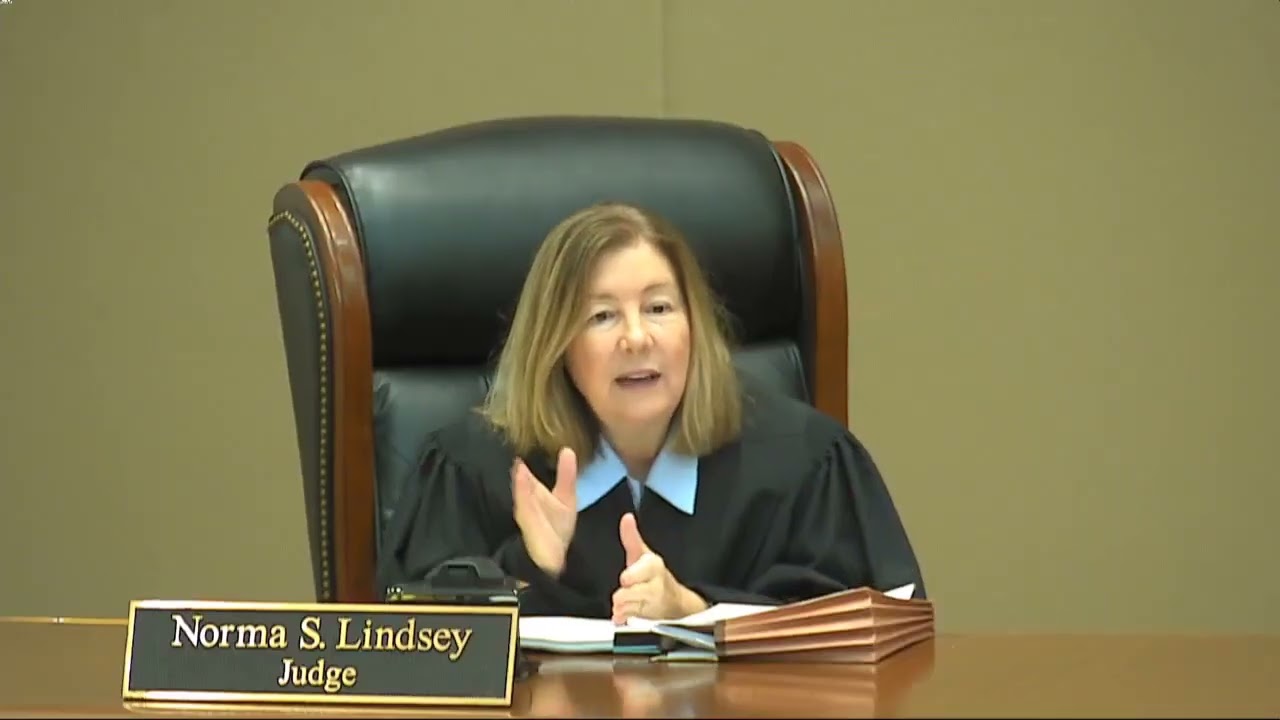
This is the recording of the actual oral argument, posted on the channel. What lawyers and judges say at argument is not the ruling; the decision is summarized above.
🚨 Forbearance Deal With a Pre-Signed Deed in Lieu — Unconscionable Waiver of Redemption Rights?
Go Deeper
- Deed in Lieu Held in Escrow: Court Can Order Foreclosure Instead (Safe Harbor v. 9775 Dixie)
- The Bank Refused the Deed in Lieu. Did That Cut the Deficiency? (Cerda v. Total Bank)
- How to Stop a Foreclosure in Florida: The Options That Still Work in 2026
Frequently Asked Questions
Can I waive my right of redemption in a forbearance agreement?
Lenders often ask for it, and courts have enforced some of these agreements. But a waiver of the right to redeem under section 45.0315, combined with other one-sided terms, can support a finding that the agreement is unconscionable, as the trial court found in the 801 Hialeah Drive case.
Is a pre-signed deed in lieu of foreclosure enforceable in Florida?
It depends on the agreement and how it was obtained. In 801 Hialeah Drive, the trial court refused to enforce a forbearance agreement that included one, and the Third District affirmed without opinion. In Safe Harbor v. 9775 Dixie, the Third District affirmed a foreclosure instead of enforcing an escrowed deed in lieu.
What makes a forbearance agreement unconscionable?
Florida requires both an unfair bargaining process and unfair terms, weighed together under Basulto. Waivers of statutory rights, retroactive default interest and a manufactured default were the terms the borrower attacked here.
Can a lender foreclose if it acted unfairly?
Foreclosure is equitable, and a court may deny it to a lender with unclean hands. In this case, the trial judge described the lender’s conduct as overreaching, unfair and unconscionable, and that ruling was affirmed.
Talk to a Florida real estate litigation lawyer
Weidner Law, P.A. handles Florida real estate disputes, title problems and appeals from St. Petersburg. If you need a real estate litigation lawyer, call (727) 954-8752 or email weidner@mattweidnerlaw.com.
Read the law yourself, free: every Florida statute and court rule is on floridarules.net.
This article is general information about Florida law, not legal advice about your situation. Reading it, watching the videos, or contacting the firm does not create an attorney-client relationship. Every case turns on its own facts, and past results do not guarantee a similar outcome. The hiring of a lawyer is an important decision that should not be based solely upon advertisements.
