
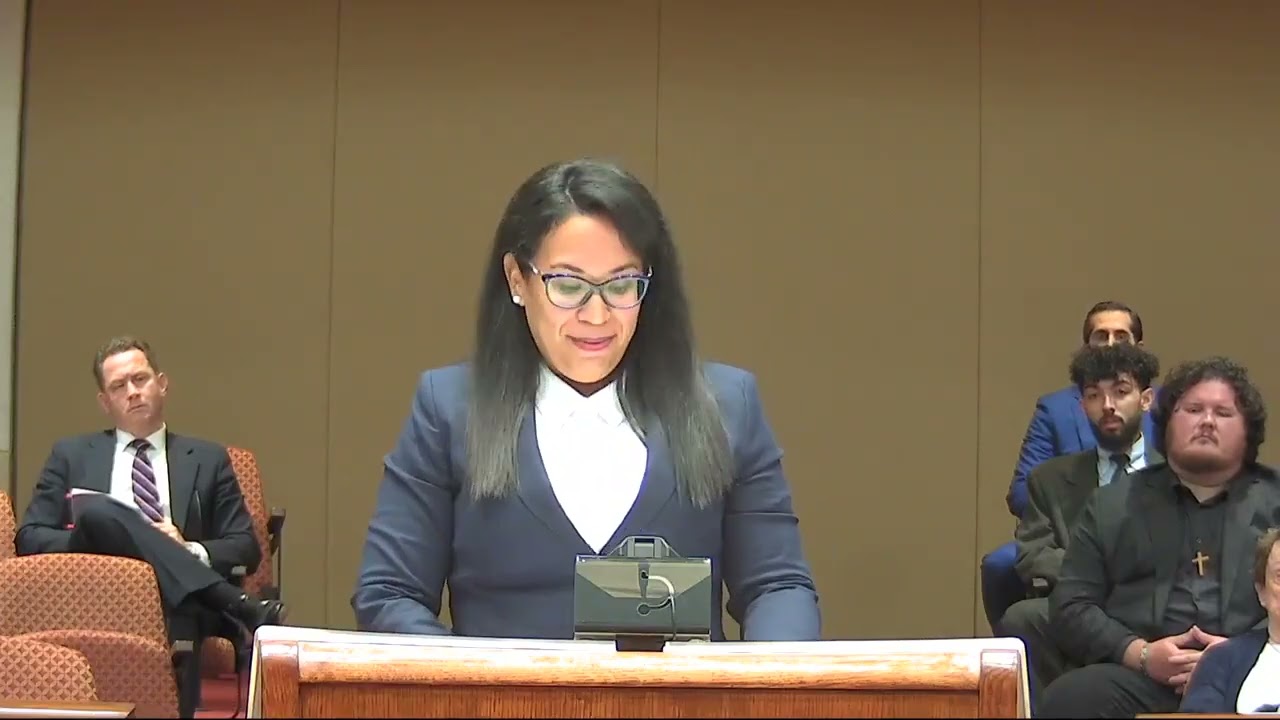
In short: In Batista v. Rodriguez, the guardian of an elderly Miami-Dade woman with dementia sued people he said had taken over her bank accounts and received $32,500 from her savings. The trial court dismissed the conversion and civil theft counts with prejudice. On May 22, 2024, the Third District reversed in a written opinion, holding the guardian had stated a conversion claim against four defendants and a civil theft claim against two. The case came back on a second appeal, and the court reversed again on July 29, 2026.
The Facts
Carlos Batista was appointed plenary guardian of Clara Elena Ramos Garcia, an elderly woman with dementia who had about $75,000 in savings. In a guardianship adversary proceeding, he alleged that a friend of hers, Oria Bello, took over her bank accounts, that two other people gained signing authority over her bank and Social Security accounts, and that Ramiro and Mayra Rodriguez received checks from her savings totaling $32,500. He alleged the checks were either obtained through undue influence or forged. A demand to return the money went unanswered.
The trial court dismissed the conversion and civil theft counts with prejudice, finding the facts did not support conversion and the complaint did not adequately allege felonious intent for civil theft. It also denied leave to file a second amended complaint. The guardian argued the court had counted his earlier pleadings in the guardianship case as prior attempts.
At oral argument, the points below are what the lawyers argued, not findings by the court.
- The guardian argued that the counts already stated causes of action, that defendants alleged to have acted together can be named in the same count, and that at a minimum he should have been allowed to amend once more because the adversary proceeding was a separate lawsuit.
- The defendants argued that this was the guardian’s fifth attempt at a complaint when the guardianship pleadings were counted, and that the complaint contradicted itself by alleging that some of the ward’s money was used to pay for her care.
- The panel pointed to Florida Rule of Civil Procedure 1.120(b), which allows intent and other conditions of mind to be alleged generally, and asked why taking some money for care and some for oneself would be inconsistent.
The Decision
The Third District reversed in a written opinion on May 22, 2024, reported at 388 So. 3d 1098. Reviewing the dismissal de novo, it held that the guardian stated a claim for conversion against Ramiro and Mayra Rodriguez, who allegedly received the ward’s money and refused to return it after demand.
It also held that conversion was stated against the two people who allegedly controlled the accounts and transferred the money. No demand was alleged against them, but a demand would have been futile because they no longer had the funds.
On civil theft, the court explained that civil theft is conversion plus felonious intent. Because conversion was adequately pleaded, a general allegation of intent was enough under rule 1.120(b), and the civil theft count against Ramiro and Mayra Rodriguez stated a claim. The court affirmed the dismissal of the remaining counts without discussion and remanded. Because the claims were already stated, the court did not need to decide whether more leave to amend was required.
The case did not end there. After remand, in a second appeal brought by Michael Nearing as personal representative of Ms. Ramos’s estate, the Third District reversed on July 29, 2026 (No. 3D25-0614). It held that the first opinion’s conversion ruling was law of the case and that new counts had to be considered on their merits. Rehearing was denied on October 1, 2026, and the mandate issued October 19, 2026.
The Law
Conversion is an unauthorized act that deprives another of property permanently or for an indefinite time. Money can be the subject of conversion when it is a specific, identifiable fund, such as checks drawn on a particular account. When a defendant lawfully came into possession, a demand and refusal is usually needed, but demand is excused when it would be futile.
Civil theft is governed by section 772.11. It allows a person injured by theft to recover threefold actual damages and attorney’s fees, but the claimant must first make a written demand for the treble damages amount before filing. As the court put it, civil theft is conversion plus criminal intent.
Florida Rule of Civil Procedure 1.120(b), on floridarules.net, requires fraud to be pleaded with particularity but allows malice, intent, knowledge and other conditions of mind to be averred generally. In guardianship and probate cases, Florida Probate Rule 5.025 makes the civil rules apply in adversary proceedings, which is why the civil pleading standards governed here.
Lessons
- A guardian can sue to recover a ward’s money, and the claim can be brought against both the people who received it and the people who moved it.
- At the pleading stage, intent can be alleged generally. A complaint does not fail because it also admits some of the ward’s money went to legitimate care.
- Send a written demand for return of the money before suing, and for civil theft, the written treble damages demand section 772.11 requires.
- A dismissal with prejudice of a properly pleaded claim is reversible, and the appellate ruling becomes law of the case, as the second appeal here shows.
Source: Batista v. Rodriguez, 388 So. 3d 1098 (Fla. 3d DCA May 22, 2024), No. 3D22-2050 (docket); later appeal: Nearing v. Rodriguez, No. 3D25-0614 (Fla. 3d DCA July 29, 2026).
Watch the Oral Argument
This is the recording of the actual oral argument, posted on the channel. What lawyers and judges say at argument is not the ruling; the decision is summarized above.
🔏 Guardian Denied Leave to Amend After Alleged Looting of a Ward’s Accounts — Florida Appeal
Go Deeper
- How to Protect Elderly Parents From Scams and Financial Exploitation in Florida
- Caregiver Changed the Beneficiary Before Death? Florida POD Accounts, POA Abuse, and What You Can Do
- How to Avoid Guardianship in Florida: The Power of Attorney Is the Least Restrictive Alternative
Frequently Asked Questions
Can a guardian sue someone who took money from the ward?
Yes. A guardian can bring claims such as conversion and civil theft to recover the ward’s property. In Batista v. Rodriguez, the Third District reinstated a guardian’s conversion claims against four people and civil theft claims against two of them.
What is civil theft in Florida?
Civil theft under section 772.11 is conversion plus felonious, or criminal, intent. A successful claimant can recover three times the actual damages and attorney’s fees, but must first send a written demand for the treble damages amount.
Do you have to prove intent in the complaint for civil theft?
Not in detail. Florida Rule of Civil Procedure 1.120(b) allows intent and other states of mind to be alleged generally. In Batista, once conversion was properly pleaded, a general allegation of intent was enough to state civil theft.
Is a demand required before suing for conversion?
Usually, when the defendant first came into possession lawfully, the plaintiff must demand the property back and be refused. In Batista, the court held a demand was excused for defendants who no longer had the money, because it would have been futile.
Talk to a Florida probate litigation lawyer
Weidner Law, P.A. handles Florida probate disputes and probate appeals from St. Petersburg. If you need a probate litigation lawyer, call (727) 954-8752 or email weidner@mattweidnerlaw.com.
Read the law yourself, free: the full Florida Probate Code and Probate Rules and the Florida Trust Code are on floridarules.net.
This article is general information about Florida law, not legal advice about your situation. Reading it, watching the videos, or contacting the firm does not create an attorney-client relationship. Every case turns on its own facts, and past results do not guarantee a similar outcome. The hiring of a lawyer is an important decision that should not be based solely upon advertisements.
