
In short: After a roughly $190,000 jury verdict, the losing company’s assets reportedly moved to a new business before final judgment, and proceedings supplementary were brought to hold the new company liable as a mere continuation. The Second DCA affirmed the trial court without an opinion in December 2014, so the ruling below stands but no precedent was set.
The Facts
This appeal came from a Manatee County case filed in 2007. The Second District’s docket lists the appellants as Paradise Enterprise Services, Inc., Destiny Enterprise Services, and two individuals, and the appellees as Boro, Inc. and two individuals. The oral-argument video titles it “Williams v. Burro Inc. / Borrow Building & Maintenance,” names that do not match the docket.
According to the arguments described in the video, a jury returned a verdict of about $190,000 in December 2009. Before final judgment was entered in July 2010, the judgment debtor’s business assets were transferred to another company. In 2012 the judgment creditor brought proceedings supplementary to add the new company, arguing it was a mere continuation of the old one and should answer for the judgment.
Because the court affirmed without an opinion, these facts come from the video’s summary of the arguments, and the docket does not show which way the trial court ruled on each issue.
The Decision
The Second District heard oral argument and then issued a per curiam affirmance on December 5, 2014, with the mandate following in January 2015. The trial court’s judgment stands. A PCA does not explain the court’s reasoning and is not precedent on successor liability or proceedings supplementary.
The Law
Proceedings supplementary under section 56.29 let a judgment creditor with an unsatisfied judgment ask the court that entered it to reach the debtor’s property in the hands of others. The creditor files a motion and affidavit, and third parties are brought in by a Notice to Appear. Since the 2016 rewrite, the statute also lets the court hear fraudulent-transfer claims under chapter 726 and enter money judgments against transferees.
Separately, Florida common law imposes successor liability in a few situations: the buyer expressly or impliedly assumed the debts, the transaction was a de facto merger, the buyer is a mere continuation of the seller, or the transfer was a fraud to escape liabilities. Mere continuation usually requires a common identity of officers, directors and owners, not just the same line of work.
Current law (2026): Section 56.29 was substantially rewritten in 2016 to set out the Notice to Appear process and to authorize chapter 726 fraudulent-transfer claims within proceedings supplementary; it was last amended in 2023 (ch. 2023-300).
Lessons
- Moving a business into a new company after a verdict does not necessarily escape the judgment. Courts look at substance, not names.
- Judgment creditors should check for asset transfers between verdict and final judgment, and act promptly in proceedings supplementary.
- Mere continuation turns on common ownership and management. Gather corporate records early.
- Since 2016, section 56.29 lets creditors bring fraudulent-transfer claims inside the original case.
Source: Paradise Enterprise Services, Inc. v. Boro, Inc., No. 2D14-2179 — Fla. 2d DCA (December 5, 2014).
Watch the Oral Argument
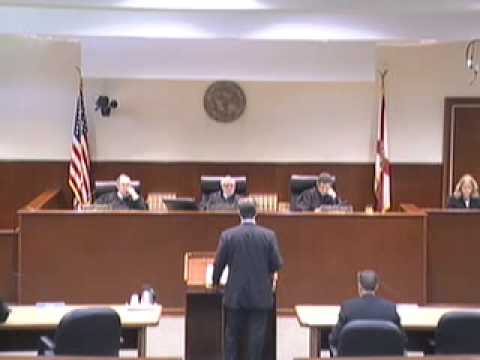
This is the recording of the actual oral argument, posted on the channel. What lawyers and judges say at argument is not the ruling; the decision is summarized above.
A $190K Judgment and Successor Liability | Paradise Enterprise Services v. Boro, 2D14-2179
Go Deeper
- Insider Foreclosure Left a Creditor Empty-Handed (Real Estate Sales Force v. Mutual Reliance)
- Personal Guaranty Upheld, but Only the Guarantor Owes (Demida v. Master Excavators)
Frequently Asked Questions
What are proceedings supplementary in Florida?
They are post-judgment proceedings under section 56.29 that let a judgment creditor reach a debtor’s assets held by third parties. The creditor files a motion and affidavit in the original case, and the court can issue Notices to Appear to people or companies holding the debtor’s property.
When is a new company liable for an old company's judgment in Florida?
Florida recognizes successor liability where the new company assumed the debts, the deal was a de facto merger, the new company is a mere continuation of the old one, or the transfer was fraudulent. Mere continuation typically means the same owners, officers and directors carrying on the same business.
Can you add a party after judgment in Florida?
Yes, in proceedings supplementary. Third parties holding the debtor’s property, or transferees in a fraudulent transfer, can be impleaded under section 56.29. They get notice and the chance to raise defenses, including a jury trial where available. Third parties should respond to a Notice to Appear by the deadline with an affidavit raising every defense.
Does transferring assets before final judgment protect a business?
Not reliably. Transfers made to hinder, delay or defraud creditors can be undone under chapter 726, and a successor that is a mere continuation can be held liable. Timing a transfer right after a verdict invites exactly that scrutiny. Courts also examine whether the transferee paid fair value.
Talk to a Florida civil litigation and appeals lawyer
Weidner Law, P.A. has handled Florida civil litigation and appeals for more than 25 years. If you need a civil litigation lawyer, call (727) 954-8752 or email weidner@mattweidnerlaw.com.
Read the law yourself, free: every Florida statute and court rule is on floridarules.net.
This article is general information about Florida law, not legal advice about your situation. Reading it, watching the videos, or contacting the firm does not create an attorney-client relationship. Every case turns on its own facts, and past results do not guarantee a similar outcome. The hiring of a lawyer is an important decision that should not be based solely upon advertisements.
