
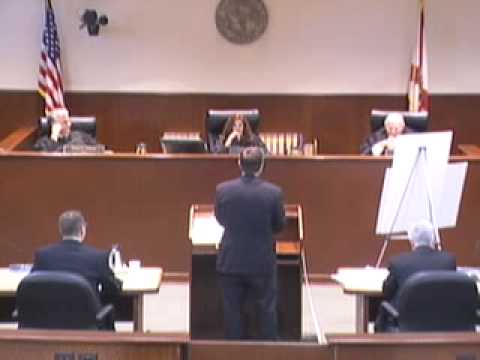
In short: In this Pinellas County appeal, the appellant argued that a proposal for settlement was ambiguous because one paragraph used two conflicting descriptions of which claims it would resolve. The Second DCA affirmed without an opinion on April 1, 2015, and granted the appellee’s motion for appellate attorney’s fees, with the amount left to the trial court.
The Facts
This appeal arose from a Pinellas County circuit civil case. The Second District’s docket lists the case as Troexco, Inc. v. Maddox; the oral-argument video labels it “Casali v. Maddox (Trucks Go Inc.).”
According to the arguments described in the video, the fight was over a proposal for settlement, Florida’s fee-shifting offer device. Paragraph 3 of the proposal described what it would settle in two different ways: one phrase tied it to the claims set forth in the complaint, while another phrase was broader. The appellant argued that the conflict made the proposal ambiguous, and that under Florida’s strict-construction rule an ambiguous proposal cannot support a fee award.
The court affirmed without an opinion, so these points reflect the parties’ arguments as summarized in the video, not appellate findings.
The Decision
On April 1, 2015, the Second District affirmed per curiam without a written opinion. The same day it granted the appellee’s motion for appellate attorney’s fees and sent the amount back to the trial court to determine. The PCA leaves the trial court’s ruling in place but does not explain the court’s view of the claimed ambiguity, and it is not precedent on that question.
The Law
Florida’s offer-of-judgment statute, section 768.79, shifts attorney’s fees when a party rejects a settlement offer and then does significantly worse at trial. Florida Rule of Civil Procedure 1.442 adds the formal requirements, including that the proposal state whether it resolves all damages and claims and describe any conditions and nonmonetary terms with particularity.
Because the statute takes away the normal American rule that each side pays its own lawyers, courts construe proposals strictly. The Florida Supreme Court has said a proposal must be clear enough that the offeree can decide whether to accept without needing clarification. But courts also reject nitpicking: only a reasonable ambiguity that could actually affect the offeree’s decision invalidates a proposal.
Current law (2026): Section 768.79 was last amended in 2022 (ch. 2022-271), which renumbered later subsections; the good-faith provision now appears at s. 768.79(8)(a).
Lessons
- Draft settlement proposals with one, consistent description of what is being released. Two phrases for the same thing invite a fight.
- Ambiguity has to be real and material. Courts will not void a proposal over hypothetical confusion.
- Losing a proposal-for-settlement appeal can cost you the other side’s appellate fees too.
- Read every proposal you receive as if you will later have to argue it was unclear. Raise concerns before the 30-day window closes.
Source: Troexco, Inc. v. Maddox, No. 2D13-5927 — Fla. 2d DCA (April 1, 2015).
Watch the Oral Argument
This is the recording of the actual oral argument, posted on the channel. What lawyers and judges say at argument is not the ruling; the decision is summarized above.
Conflicting Phrases in a Proposal for Settlement — Ambiguous & Unenforceable? | Troexco v. Maddox, 2D13-5927
Go Deeper
- Florida's Summary Judgment Rule: How Rule 1.510 Ends Cases Without a Trial
- Why Florida Judges Are Rushing to Close Cases: Rule 1.200 and the New Case Management
Frequently Asked Questions
What is a proposal for settlement in Florida?
It is a formal written settlement offer under section 768.79 and Rule 1.442. If the other side rejects it and the final judgment is at least 25 percent worse for them than the offer, the offering party can recover reasonable attorney’s fees and costs from the date of the offer.
Can an ambiguous proposal for settlement be enforced?
Not if the ambiguity is real and could reasonably affect whether the offeree would accept. Florida courts strictly construe these proposals because they shift fees. Minor or theoretical ambiguities do not invalidate a proposal; the test is whether the offeree could make an informed decision without asking for clarification.
Does a proposal for settlement have to say which claims it resolves?
Yes. Rule 1.442 requires the proposal to state whether it resolves all damages that would otherwise be awarded in a final judgment and to identify the claims it is meant to resolve. Inconsistent descriptions of the claims being settled are a common basis for challenges.
Can you get appellate attorney's fees based on a proposal for settlement?
Often, yes. A party entitled to fees under section 768.79 may move for appellate fees, and the appellate court can grant entitlement and send the amount back to the trial court, as happened in this case. The trial court then holds a hearing to set a reasonable amount based on the time and rates involved.
Talk to a Florida civil litigation and appeals lawyer
Weidner Law, P.A. has handled Florida civil litigation and appeals for more than 25 years. If you need a civil litigation lawyer, call (727) 954-8752 or email weidner@mattweidnerlaw.com.
Read the law yourself, free: every Florida statute and court rule is on floridarules.net.
This article is general information about Florida law, not legal advice about your situation. Reading it, watching the videos, or contacting the firm does not create an attorney-client relationship. Every case turns on its own facts, and past results do not guarantee a similar outcome. The hiring of a lawyer is an important decision that should not be based solely upon advertisements.
