
In short: Too late. In West Brook Isles (2015), a buyer sued its closing lawyer and title insurer about seven years after closing, saying it never knew the land was under a condominium declaration. The Second District affirmed summary judgment: every document disclosed it, there was no post-closing concealment, and limitations ran from closing.
The Facts
In 2004 a developer-buyer, West Brook Isles Partner’s 1, LLC, bought five parcels in the Westbrook Isles project in Pinellas County. It believed it was buying unencumbered raw land for condominiums or other uses. In fact, a 1995 amendment had already placed the parcels under a condominium declaration. The same lawyer represented the buyer, acted as the title insurer’s agent, and his firm handled the closing.
The title commitment, the purchase contract, and later documents all described the property as condominium units in phases. The commitment was sent to the buyer’s representative before closing, who admitted he only glanced at the contract. The deed was made subject to the condominium documents, the title policy described the property by condominium phase, and the buyer’s own 2006 mortgage described twenty condominium units. The mortgage was foreclosed in 2009, and the buyer said it realized the problem only in late 2010.
The title insurer sued for declaratory relief in 2011. The buyer counterclaimed for breach of fiduciary duty, constructive fraud, breach of contract, legal malpractice and fraud. The trial court granted summary judgment on the statutes of limitations.
The Decision
The Second District affirmed. The claims accrued at the October 2004 closing, and the counterclaims filed in September 2011 came too late: two years for legal malpractice, four for constructive fraud and fiduciary duty, and five for breach of contract.
The buyer argued fraudulent concealment tolled those periods. The court explained that the buyer had blended two different doctrines. The delayed-discovery rule for fraud starts the clock when a plaintiff knew or should have known of the claim with reasonable diligence. Fraudulent concealment requires affirmative conduct after the claim accrues that actually hides it by fraudulent means. There was no evidence the buyer ever told the lawyer it planned anything but condominiums, and no post-closing concealment; the documents in the buyer’s hands, including its own mortgage, disclosed the condominium status. Without active concealment, and with facts discoverable through diligence, nothing was tolled.
The Law
Florida’s limitation periods are in section 95.11. In the current statute, an action on a written contract is five years (section 95.11(2)(b)); fraud is four years ((3)(i)); claims not otherwise listed, which courts generally apply to fiduciary-duty claims, are four years ((3)(o)); and professional malpractice other than medical is two years, now at (5)(b) after recent renumbering. Under section 95.031(2)(a), a fraud claim runs from when the facts were or should have been discovered with due diligence, but no later than 12 years after the fraud.
Fraudulent concealment is a narrow equitable exception: the defendant must do something after the claim arises that successfully hides it. Documents that disclose the problem, even if no one reads them, usually defeat a later claim that the problem was concealed.
Current law (2026): Professional malpractice limitation now at s. 95.11(5)(b) (was (4)(a) in 2015); fraud at s. 95.11(3)(i); written contract s. 95.11(2)(b); catch-all s. 95.11(3)(o); fraud discovery/12-year repose s. 95.031(2)(a).
Lessons
- Read the title commitment and the legal description before closing. Here every key document said “condominium.”
- The clock usually starts at closing. Waiting until a foreclosure or resale to look at the paperwork can cost you the claim.
- Fraudulent concealment requires active hiding after the fact; silence plus documents that disclose the issue is not enough.
- When one lawyer wears several hats (buyer’s counsel, title agent, closing agent), ask in writing what each role covers.
Watch the Oral Argument
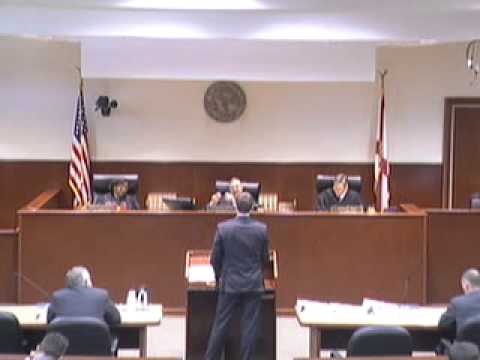
This is the recording of the actual oral argument, posted on the channel. What lawyers and judges say at argument is not the ruling; the decision is summarized above.
When Did the Buyer Learn of the Title Problem? | West Brook Isles v. Commonwealth Land Title, 2D13-6165
Go Deeper
- "Less and Except" Means Not Yours: Deed Carve-Outs and Tax Deeds (Garden State v. Shazbop)
- What Happens at a Florida Real Estate Closing: Costs, Liens, and Whether You Need a Lawyer
Frequently Asked Questions
How long do I have to sue my real estate closing attorney in Florida?
Legal malpractice claims generally must be filed within two years, measured from when the claim accrues or should have been discovered with due diligence; it is now in section 95.11(5)(b). In West Brook Isles, claims against a closing attorney filed about seven years after a 2004 closing were time-barred.
What is fraudulent concealment in Florida statute of limitations law?
It is an equitable doctrine that can pause the limitations clock when a defendant takes affirmative steps, after the claim arises, that successfully hide it by fraudulent means. The Second District held it did not apply where the closing documents themselves disclosed the problem and no post-closing concealment was shown.
Can I sue the title company if I did not realize my land was in a condominium?
Possibly, but timing matters. In West Brook Isles, the commitment, deed, title policy and the buyer’s own mortgage all described condominium units, so the claims accrued at the 2004 closing and were barred by the time they were filed in 2011. Title policy terms and limitation periods both control.
When does the statute of limitations start on a fraud claim in Florida?
Under section 95.031(2)(a), a fraud claim runs from when the facts giving rise to it were discovered or should have been discovered with due diligence, with an outer limit of 12 years from the fraud. The four-year period for fraud is in section 95.11(3)(i).
Talk to a Florida title and property dispute lawyer
Weidner Law, P.A. handles quiet title, deed, lien and title disputes from St. Petersburg, backed by more than 25 years of title work. If you need a real estate litigation lawyer, call (727) 954-8752 or email weidner@mattweidnerlaw.com.
Read the law yourself, free: every Florida statute and court rule is on floridarules.net.
This article is general information about Florida law, not legal advice about your situation. Reading it, watching the videos, or contacting the firm does not create an attorney-client relationship. Every case turns on its own facts, and past results do not guarantee a similar outcome. The hiring of a lawyer is an important decision that should not be based solely upon advertisements.
