
In short: A condo owner won a suit undoing a unit sale that skipped the right of first refusal. The sellers then sought fees on a dropped count, though they never pled fees. The Second DCA held that claim was unsupported by law and reversed the denial of the owner’s section 57.105 motion, with fees to be paid by the sellers’ lawyer.
The Facts
Two owners of a condominium unit sold it to a buyer. Another owner, Cynthia Kistner, sued to set aside the sale, claiming the sellers never gave notice of the offer, which cut off the right of first refusal the condominium declaration gave the association and other owners. Her complaint had two counts, one to declare the conveyance invalid and one for specific performance, and both asked for fees.
The sellers’ answer did not ask for attorney’s fees. The court tried only the first count, and Kistner won. She then voluntarily dropped the second count. The final judgment awarded her fees and included a handwritten line saying the sellers might be entitled to fees and reserving jurisdiction on that question.
One seller then moved for fees as the prevailing party on the dropped count. Kistner served a section 57.105 sanctions motion, and the 21-day safe-harbor period passed without withdrawal. The trial court denied both the seller’s fee motion and Kistner’s sanctions motion. Kistner appealed the denial of sanctions.
The Decision
The Second District reversed. Under settled Florida Supreme Court precedent, a party who wants attorney’s fees must plead the claim, and failing to plead it waives it. The seller never pled fees and conceded as much. The equivocal language in the final judgment did not create an entitlement, there was no fee evidence to which the pleadings could be conformed, and the narrow exception for an opponent who knew about the claim and did not object did not apply.
Because the problem was a question of law, counsel knew or should have known the fee motion was not supported by existing law. The court remanded for the trial court to set a reasonable fee for Kistner. Under the statute, sanctions for a claim unsupported by law cannot be imposed on a represented party, so the fees are to be assessed only against the seller’s counsel.
The Law
section 57.105 lets a court award fees against a party and its lawyer for claims or defenses not supported by the material facts or by existing law. Subsection (3)(c) bars money sanctions against a represented party when the only problem is lack of legal support, so the lawyer pays. Subsection (4) requires serving the motion and waiting 21 days before filing, giving the other side a chance to withdraw. The rule that fees must be pled comes from Stockman v. Downs, 573 So. 2d 835 (Fla. 1991).
The underlying dispute involved a right of first refusal in a condominium declaration. Fee rights in condominium disputes are addressed in section 718.303, and general costs in section 57.041.
Current law (2026): Section 57.105 has not been amended since 2019; the 2026 text is the same as applied here.
Lessons
- Plead every fee claim in your complaint, answer or counterclaim, citing the contract or statute. An unpled claim is usually waived.
- A judgment line saying a party “may be entitled” to fees does not create entitlement.
- Take the 21-day safe-harbor letter seriously. Withdrawing a weak motion costs nothing; pressing it can cost the lawyer personally.
- Condo owners can enforce a right of first refusal in the declaration when a unit is sold without the required notice.
Source: Kistner v. Lowery, No. 2D2024-0003 — Fla. 2d DCA (April 11, 2025).
Watch the Oral Argument
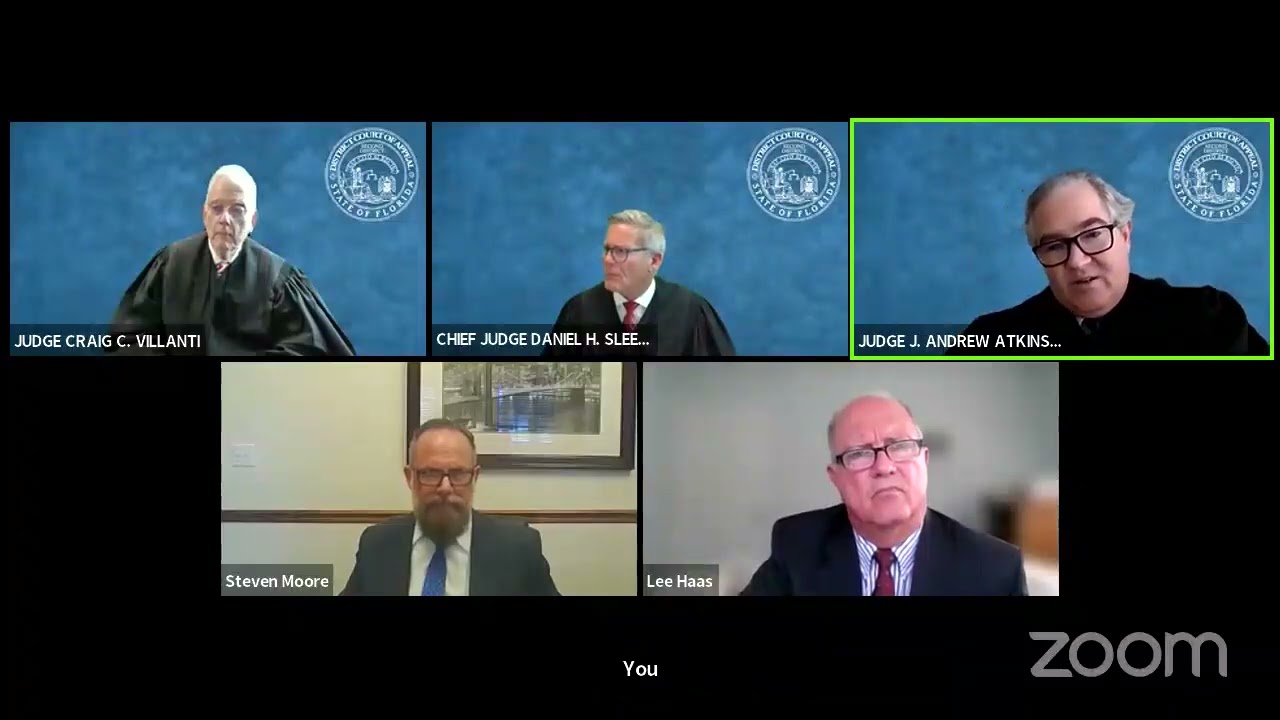
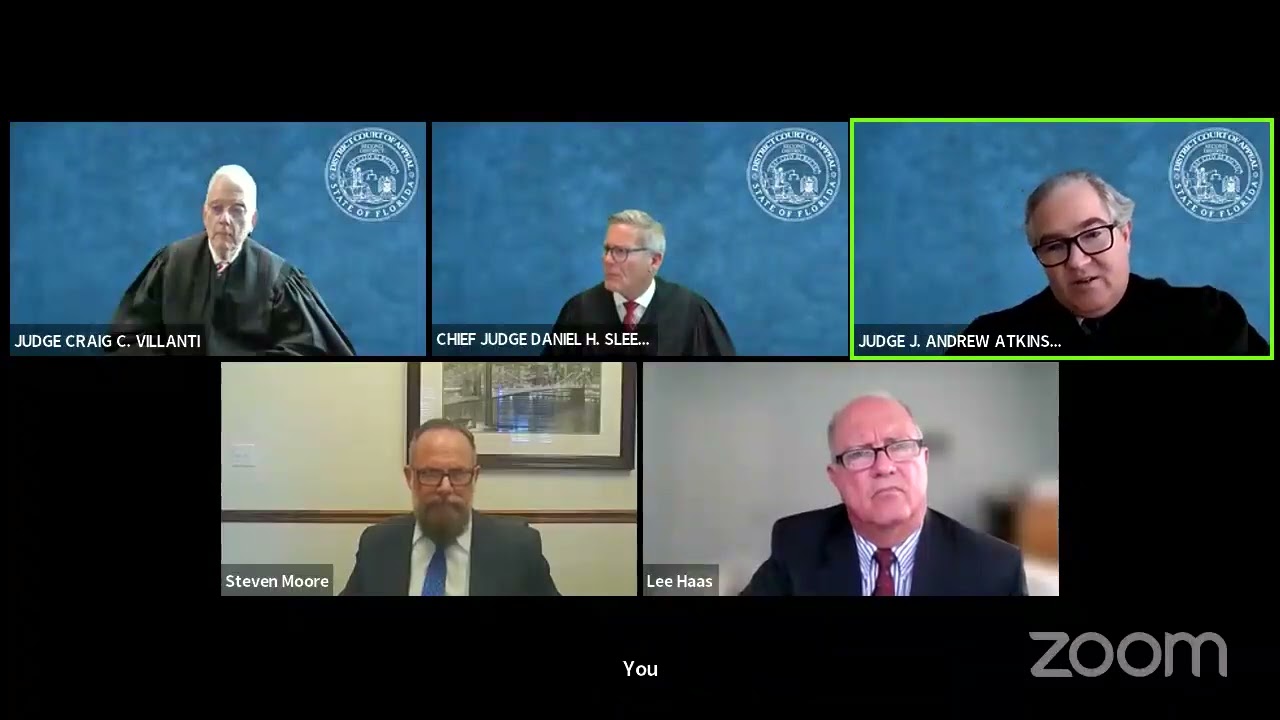
This is the recording of the actual oral argument, posted on the channel. What lawyers and judges say at argument is not the ruling; the decision is summarized above.
Condo Dispute | Kistner v. Lowery, 2D24-0003
Go Deeper
- Can a Master Association Strip Condo Owners' Rights by Amendment? (De Soleil v. Perrin)
- When a Lawyer Misses Deadlines: Sanctions, Show-Cause Orders, and What Clients Can Do
Frequently Asked Questions
Do you have to plead attorney's fees in Florida?
Yes. Under Stockman v. Downs, a party seeking fees must plead the claim, usually in the complaint, answer or counterclaim. If you do not, the claim is generally waived. The narrow exception applies only when the other side knew of the claim and failed to object. In Kistner, the sellers never pled fees, so their later fee motion lacked legal support.
What is a 57.105 motion in Florida?
It is a motion for attorney’s fees as a sanction against a party or lawyer who pursues a claim or defense unsupported by the facts or by existing law. The moving party must serve it and wait 21 days before filing. If the other side withdraws or corrects the problem in that window, no sanctions.
Can a lawyer be ordered to pay sanctions personally in Florida?
Yes. When a claim is unsupported by existing law, section 57.105(3)(c) bars monetary sanctions against a represented party, so the fee award falls on the lawyer. In Kistner, the Second DCA directed that fees be assessed only against the seller’s counsel.
What happens if a condo unit is sold without honoring a right of first refusal?
If the declaration gives the association or owners a right of first refusal and the seller skips the required notice, an owner or the association may be able to sue to set aside the sale. In Kistner, the owner won a declaratory judgment invalidating the conveyance. Read your declaration; these clauses vary.
Talk to a Florida condominium dispute lawyer
Weidner Law, P.A. handles condominium association and unit-owner disputes from St. Petersburg. If you need a property dispute lawyer, call (727) 954-8752 or email weidner@mattweidnerlaw.com.
Read the law yourself, free: every Florida statute and court rule is on floridarules.net.
This article is general information about Florida law, not legal advice about your situation. Reading it, watching the videos, or contacting the firm does not create an attorney-client relationship. Every case turns on its own facts, and past results do not guarantee a similar outcome. The hiring of a lawyer is an important decision that should not be based solely upon advertisements.
