
In short: The owner of a historic Miami Beach apartment building renting units short-term sought a temporary injunction after the city’s fire marshal shut the operation down. The trial court denied the injunction, and in September 2012 the Third DCA affirmed without a written opinion.
The Facts
The Third District affirmed without an opinion, so the facts here come from the arguments as described in the oral argument video, not from findings by the appellate court.
Eisenberg Development Corp., doing business as the Sandigo Court Hotel, owned a historic apartment building in Miami Beach and rented units on a short-term, transient basis. The city’s fire marshal issued a cease-and-desist and the business was shut down, including during Art Basel. The owner sued the city and asked the circuit court for a temporary injunction to let it keep operating.
The arguments centered on whether transient rentals were allowed in the RM-2 zoning district, the effect of a 2010 city short-term rental ordinance, whether the owner had to exhaust administrative remedies first, and whether a fire-code enforcement action was really a zoning decision in disguise.
The Decision
On September 5, 2012, the court affirmed the order denying the temporary injunction in a one-word per curiam decision. Because this was an appeal from a non-final order, the ruling only left the injunction denial in place; it did not decide the underlying lawsuit, and the court gave no reasons.
The Law
A temporary injunction in Florida requires the moving party to show a substantial likelihood of success on the merits, irreparable harm, no adequate remedy at law, and that the injunction serves the public interest. Denials are reviewable as non-final orders under Florida Rule of Appellate Procedure 9.130, and trial courts get significant deference on the facts.
On short-term rentals, section 509.032, Florida Statutes(7)(b) now bars local governments from prohibiting vacation rentals or regulating how long or how often they are rented, but it exempts local rules adopted on or before June 1, 2011. That grandfather clause is why older city ordinances, like some in Miami Beach, can still restrict rentals in residential districts. Local fire and building code inspections are not preempted.
Current law (2026): Section 509.032(7)(b), Fla. Stat. (2026): local governments may not prohibit vacation rentals or regulate rental duration/frequency, except under laws adopted on or before June 1, 2011; local fire/building code inspection authority is not preempted (509.032(7)(a)).
Lessons
- Before buying a building for short-term rental, check the zoning district and every local rental ordinance, especially those adopted before June 1, 2011.
- Temporary injunctions against a city are hard to win; you must show a strong likelihood of success, not just financial harm.
- Fire and building code enforcement remains local even where vacation-rental regulation is preempted.
- Ask whether you must first go through the city’s administrative appeal process before suing.
Source: Eisenberg Development Corp. v. City of Miami Beach, No. 3D12-0362 — Fla. 3d DCA (September 5, 2012).
Watch the Oral Argument
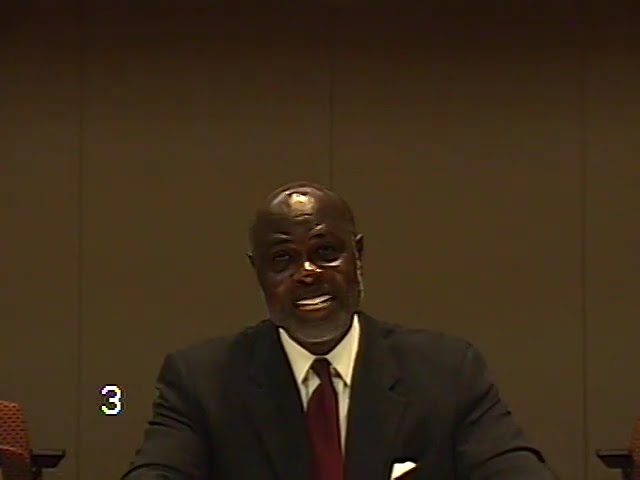
This is the recording of the actual oral argument, posted on the channel. What lawyers and judges say at argument is not the ruling; the decision is summarized above.
Miami Beach Short-Term Rentals vs. Fire Marshal — Injunction Denied? | Eisenberg, 3D12-0362
Go Deeper
- How Florida Code Enforcement Works: Chapter 162 Hearings, Fines, and Liens
- Florida Condo Owners' Rights: Special Assessments, Records, and Disputes With the Association
Frequently Asked Questions
Can Miami Beach ban short-term rentals?
Florida law generally bars cities from banning vacation rentals or regulating rental duration, but section 509.032(7)(b) exempts local rules adopted on or before June 1, 2011. Miami Beach’s longstanding restrictions in certain residential districts rely on that grandfather clause. Owners should check current city code and zoning for their specific property.
How do I get a temporary injunction against a city in Florida?
You must show a substantial likelihood of success on the merits, irreparable harm, no adequate remedy at law, and that the injunction will serve the public interest. Courts may also require you to exhaust administrative remedies first. Lost income alone usually is not irreparable harm because money damages can compensate it.
Can a fire marshal shut down a short-term rental in Florida?
Local authorities keep the power to inspect public lodging and rental properties for compliance with the Florida Fire Prevention Code and Building Code. If a building is operated in a way that violates fire safety rules for its occupancy type, enforcement can include orders to stop the use until the violations are corrected.
What does it mean when an injunction denial is affirmed?
It means the appellate court left in place the trial court’s refusal to issue a temporary injunction. It is not a final ruling on the lawsuit itself. The case usually returns to the trial court, where the parties can still litigate the merits, but the business has no court protection in the meantime.
Talk to a Florida land use and property rights lawyer
Weidner Law, P.A. handles zoning, land use and local-government property disputes from St. Petersburg. If you need a real estate litigation lawyer, call (727) 954-8752 or email weidner@mattweidnerlaw.com.
Read the law yourself, free: every Florida statute and court rule is on floridarules.net.
This article is general information about Florida law, not legal advice about your situation. Reading it, watching the videos, or contacting the firm does not create an attorney-client relationship. Every case turns on its own facts, and past results do not guarantee a similar outcome. The hiring of a lawyer is an important decision that should not be based solely upon advertisements.
