
In short: Yes, unless a statute exempts it. A Florida county’s immunity from ad valorem taxation stops at its own borders, so land it owns in another county can be taxed there. In Pinellas County v. Joiner, Pinellas claimed sovereign immunity from Pasco County property taxes on about 12,400 acres it owns in Pasco, and the Florida Supreme Court rejected that claim on June 27, 2024, approving the Second District’s decision.
The Facts
Pinellas County owns about 12,400 acres in neighboring Pasco County, thirty-six parcels known as the Cross Bar Ranch and A1 Bar Ranch, acquired in 1976 and 1989. For years Pinellas paid Pasco ad valorem taxes on the land. It then sued the Pasco County Property Appraiser and Tax Collector, seeking a declaration that the property was immune from taxation, an injunction against future assessments, and reimbursement of taxes paid for 2014 through 2016.
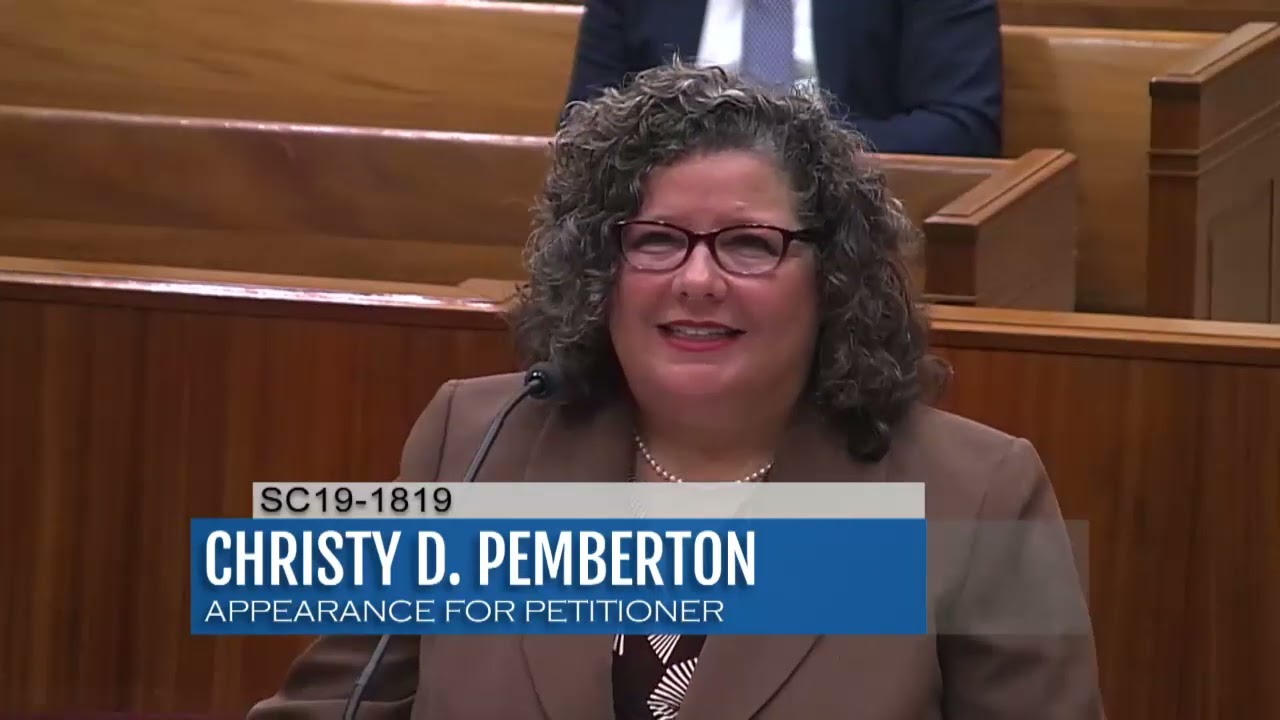
The trial court granted summary judgment for Pinellas, ruling that a county’s sovereign immunity from taxation extends beyond its own lines. The Second District reversed in Joiner v. Pinellas County, 279 So. 3d 860 (Fla. 2d DCA 2019), holding that a county’s immunity does not reach property it owns in another county, and it certified the question to the Florida Supreme Court. The Supreme Court heard argument on December 7, 2022 (No. SC19-1819).
The Decision
On June 27, 2024, the Florida Supreme Court answered the certified question no and approved the Second District’s decision. The question, as the Court phrased it, was whether county-owned property located outside the county’s boundaries is immune from ad valorem taxation by the county where the property sits.
The Court looked to common-law sovereign immunity and found no history or precedent supporting immunity outside a county’s borders. It relied on the principle that land a sovereign owns in another jurisdiction is held subject to that jurisdiction’s laws, and it read the county boundaries drawn by the Legislature as marking where a county’s share of the State’s immunity ends. Earlier Florida decisions stating broadly that counties are immune from ad valorem taxes did not involve land outside the county and did not control.
The Court did not decide whether the land might be exempt by statute; the trial court had not ruled on that, and the Second District’s decision left it open on remand. Two justices dissented, reasoning that county property used for a public purpose should be presumptively immune. The mandate issued on July 18, 2024.
The Law
Florida separates immunity from exemption. Immunity means the government’s property was never subject to tax in the first place. Exemption means the property is taxable unless the Legislature exempts it. Counties, as political subdivisions of the State under article VIII, section 1 of the Florida Constitution, share the State’s immunity for property inside their borders. After Joiner, that immunity does not follow county land across county lines.
Exemptions for government-owned property are found in section 196.199. Paragraph (1)(c) addresses property of political subdivisions, and Pasco argued in the alternative that it acted as a limited waiver of immunity. Because the Supreme Court resolved the case on immunity, whether Pinellas’s land qualifies for a statutory exemption was left for the trial court. The opinion also discussed section 125.016, which concerns a county’s power to levy taxes on property in the county.
Lessons
- A county, city or other local government that buys land in another county should budget for that county’s property taxes unless a statutory exemption clearly applies.
- Immunity and exemption are different arguments. When immunity fails, the fight moves to whether a statute exempts the property based on its ownership and use.
- Paying the tax and suing for reimbursement is one way to challenge it, but the claim must be timely and properly pleaded.
- Older cases that state a rule broadly may not control a situation they never considered, such as land outside the county.
Source: Pinellas County v. Joiner, No. SC19-1819 (Fla. June 27, 2024); Florida Supreme Court docket; earlier decision: Joiner v. Pinellas County, 279 So. 3d 860 (Fla. 2d DCA 2019).
Watch the Oral Argument
These are two uploads of the same Florida Supreme Court oral argument, posted on the channel. What lawyers and justices say at argument is not the ruling; the decision is summarized above.
🏛️ One County Buys Land in Another — Can It Claim Immunity From Property Tax?
⚖️ Can a Florida County Claim Tax Immunity When Buying Land Out of County? | SC19-1819
Go Deeper
- Homestead Exemption Revoked for Nine Years: The 10% Cap Still Applies (Russell v. Hassett)
- Florida Homestead Exemption and the November 2026 Property Tax Amendment
- Florida Courts Are Enforcing Code Fines: Lauderdale Lakes, Largo, and Key Biscayne
Frequently Asked Questions
Do Florida counties pay property taxes?
Not on their own land inside their own borders, because counties share the State’s immunity from ad valorem taxation. But under Pinellas County v. Joiner (Fla. 2024), that immunity does not extend to land a county owns in another county.
Can one Florida county tax land owned by another county?
Yes. The Florida Supreme Court held in 2024 that Pasco County could tax about 12,400 acres Pinellas County owns in Pasco, because county immunity stops at the county line. The owning county may still try to show a statutory exemption.
What is the difference between tax immunity and a tax exemption in Florida?
Immunity means the property is not subject to taxation at all, as with State-owned land. An exemption is a benefit the Legislature grants to property that would otherwise be taxable, such as the exemptions for government property in section 196.199. Exemptions usually depend on ownership and use.
Is government land used for a public purpose exempt from property tax?
Often, but it depends on the statute and the facts. In Joiner, the Supreme Court did not decide whether Pinellas’s land qualified for a statutory exemption, leaving that question open. Two dissenting justices would have treated county property used for a public purpose as presumptively immune.
Talk to a Florida real estate litigation lawyer
Weidner Law, P.A. handles Florida real estate disputes, title problems and appeals from St. Petersburg. If you need a real estate litigation lawyer, call (727) 954-8752 or email weidner@mattweidnerlaw.com.
Read the law yourself, free: every Florida statute and court rule is on floridarules.net.
This article is general information about Florida law, not legal advice about your situation. Reading it, watching the videos, or contacting the firm does not create an attorney-client relationship. Every case turns on its own facts, and past results do not guarantee a similar outcome. The hiring of a lawyer is an important decision that should not be based solely upon advertisements.
