
In short: It can, if the lease and its attached drawings put the equipment there, and in this case the judgment for Verizon was affirmed. In Mandelstam v. Cellco Partnership d/b/a Verizon Wireless, a Miami-Dade landlord argued a lease for “188 square feet on the roof” did not allow Verizon to install its equipment inside a room next to the roof deck. The trial court read the lease with its exhibits and ruled for Verizon, and on November 2, 2022 the Third District affirmed without a written opinion.
The Facts
The facts below come from the argument, not from findings by the appellate court. A Mandelstam company leased Verizon about 188 square feet “on the roof” of its building, which houses a school with a theater, for communications equipment, plus space for antennas and “additional space within the building and on the roof” for cables. The lease said the spaces were shown on Exhibit B, a set of drawings, and required soundproofing of the equipment room.
Verizon built out its equipment in a room on the roof level next to the theater over about five months. The landlord then objected, first to the antennas’ appearance and then to the equipment’s location, and barred Verizon from finishing. Verizon sued. The trial court denied summary judgment because it found the lease ambiguous, but after trial it ruled that the lease and its exhibits unambiguously placed the equipment where Verizon put it. According to counsel, the court also terminated the lease and awarded Verizon money for its build-out and removal costs. The landlord appealed, and Verizon filed a protective cross-appeal. At the October 18, 2022 argument:
- The landlord argued “on the roof” is plain, that the lease used “within the building” only for cabling, that Exhibit B was unclear and could not override the text, and that the integration clause required any change in location to be in writing. It also argued the damages were a double recovery.
- Verizon argued the drawings in Exhibit B pointed to the equipment room, that the sloped metal roof could not hold the equipment without a structure no drawing showed, that the soundproofing clause only made sense for an indoor room, and that the landlord’s course of dealing during construction showed he knew where the equipment was going.
- The panel asked whether the slanted roof mattered, how to read the premises clause and exhibits together, and why a trial on extrinsic evidence was held if the lease was unambiguous.
The Decision
The Third District affirmed on November 2, 2022, in a per curiam decision without a written opinion. The mandate issued November 18, 2022. The docket shows no rehearing or further review.
Because there is no opinion, the affirmance does not say whether the court agreed the lease was unambiguous, relied on waiver or course of dealing, or found any error harmless. The trial court’s judgment, as described at argument, stands.
The Law
Courts start with the plain words of a lease and read it as a whole, including exhibits that the lease attaches and incorporates. When the words and the attached drawings can be read together, a court will try to give effect to both.
If a contract is unambiguous, outside evidence cannot change its meaning. Verizon argued that how the parties behaved after signing, their course of dealing, was different from forbidden parol evidence about earlier side agreements, and that it also supported waiver and estoppel defenses.
An integration clause, and a clause requiring written modifications, makes it harder to prove the deal changed by conduct. The landlord relied on that clause here. Whether conduct can still create a waiver or estoppel despite such a clause often depends on the facts.
Lessons
- Describe the leased premises precisely in both the text and the exhibits. Here the words said “on the roof” and the drawings were argued to show an indoor room.
- Landlords who watch a tenant build for months in a place they think is wrong should object in writing right away.
- Wireless and rooftop leases often run for decades. Check that the equipment can physically go where the lease says before signing.
- A per curiam affirmance resolves this case only. It does not hold that rooftop leases cover indoor space.
Watch the Oral Argument
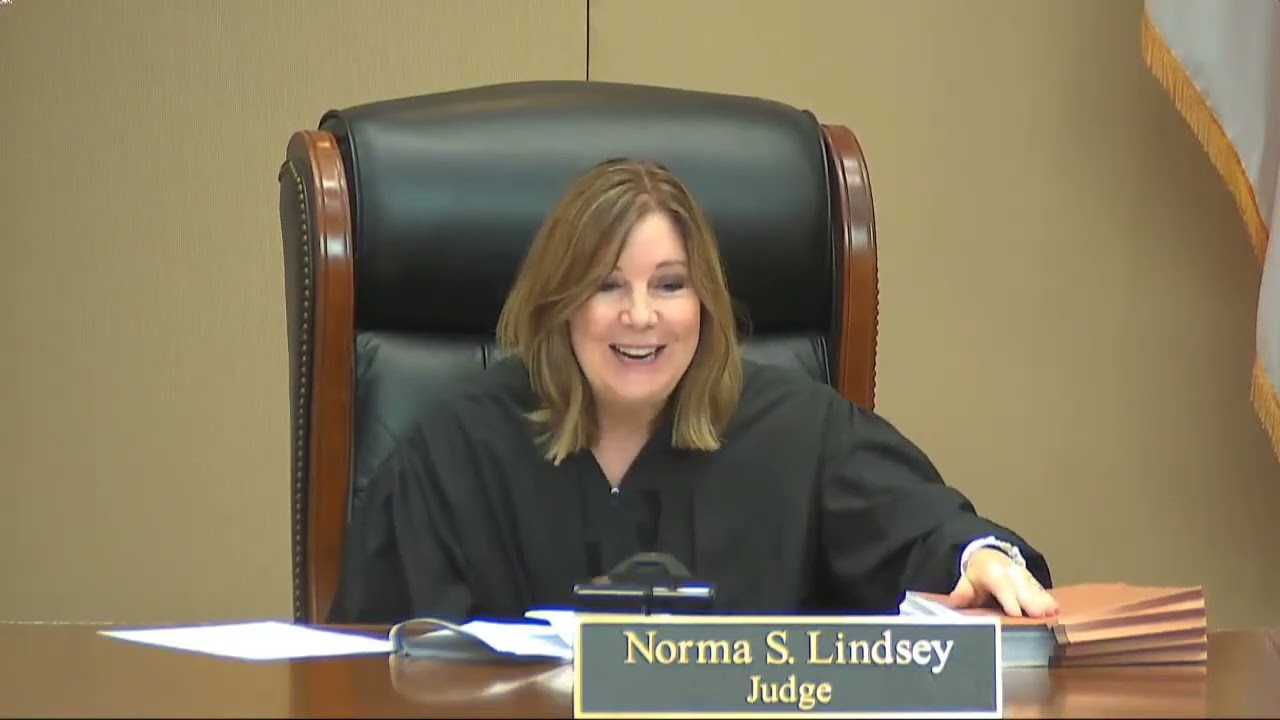
This is the recording of the actual oral argument, posted on the channel. What lawyers and judges say at argument is not the ruling; the decision is summarized above.
Lease Gave Verizon 188 Square Feet on the Roof: Could Its Equipment Go Inside the Building?
Go Deeper
- Is Sharing Your Leased Lot a Sublease or a License? (Double Park v. Kaine Parking)
- Commercial Lease Fights in Florida: Lockouts, Holdovers and One Word in the Lease
- Is a Landlord's "You Need to Relocate" Letter a Constructive Eviction? (In-Time v. Metromall)
Frequently Asked Questions
Can a cell tower tenant put equipment inside my building if the lease says rooftop?
It depends on the whole lease, including the attached drawings. In Mandelstam v. Verizon, the lease said “on the roof,” but the trial court read the exhibits to place the equipment in an indoor room next to the roof deck, and the Third District affirmed without an opinion.
Do lease exhibits count as part of the lease?
Yes, when the lease attaches and incorporates them. Courts read the text and the exhibits together. In this case the dispute was whether an unclear drawing could change what the words said.
Can a landlord waive a lease term by not objecting?
Possibly. Verizon argued the landlord’s presence during five months of construction waived any objection to the location. The landlord argued the integration clause required any change in writing. Object in writing as soon as you see a problem.
What happens if a landlord locks out a wireless tenant mid-construction?
The tenant can sue. Here, according to counsel, the trial court terminated the lease and awarded Verizon its build-out and removal costs, and that judgment was affirmed.
Talk to a Florida real estate litigation lawyer
Weidner Law, P.A. handles Florida real estate disputes, title problems and appeals from St. Petersburg. If you need a real estate litigation lawyer, call (727) 954-8752 or email weidner@mattweidnerlaw.com.
Read the law yourself, free: every Florida statute and court rule is on floridarules.net.
This article is general information about Florida law, not legal advice about your situation. Reading it, watching the videos, or contacting the firm does not create an attorney-client relationship. Every case turns on its own facts, and past results do not guarantee a similar outcome. The hiring of a lawyer is an important decision that should not be based solely upon advertisements.
