
In short: In Park West v. Londono, a Miami-Dade condominium association took title to two units by foreclosing its assessment lien, and a few months later John Londono bought them at the bank’s foreclosure sale. The trial court ruled he owed the association nothing for the time before his certificate of title. On November 27, 2013, the Third District reversed, holding he was responsible for unpaid assessments back to when the association took title. Section 718.116 has since been amended on this exact situation.
The Facts
Florida Title Professionals, Inc. owned two units at the Park West Professional Center Condominium. Bank of America sued to foreclose its mortgage on the units and later joined the association as a defendant. While that case was pending, on September 19, 2011, the association filed its own foreclosure of its assessment lien.
The association’s case finished first, and it took title in January 2012. The bank’s case then concluded, and Londono, a third-party bidder at the foreclosure sale, took title on April 18, 2012. Londono asked the trial court to determine priority, and the court ruled that he did not owe the association any funds for the period before his certificate of title issued.
At oral argument, the points below were what the lawyers argued, not findings by the court:
- The association’s counsel, Carlos D. Lerman, argued that the statute made Londono jointly and severally liable with the previous owner for all unpaid assessments, reaching back past the association’s own ownership to the dues Florida Title never paid.
- Londono’s counsel, Derek R. Griffith, argued his client was responsible only from his own certificate of title forward, pointing to the statute’s reference to “the previous owner” in the singular and to the short period the association held title.
- The panel questioned whether a buyer could be liable for the debts of every owner back in the chain of title, and noted that the trial court’s order flatly said Londono owed nothing before his title.
The Decision
The Third District reversed and remanded in a written opinion filed November 27, 2013. The court said both sides had misread its earlier decision in Aventura Management, LLC v. Spiaggia Ocean Condominium Ass’n, 105 So. 3d 637 (Fla. 3d DCA 2013), which held that the prior owner is jointly and severally liable with the current owner for past-due assessments up to the transfer of title.
Applied here, the court held that the association was jointly and severally responsible with Florida Title back to the time Florida Title received title, and that Londono was responsible for unpaid assessments back to the time the association took title. So Londono was wrong that he owed nothing before his own title, and the association was wrong that he owed for Florida Title’s period.
The association moved for rehearing and rehearing en banc, which were denied on February 13, 2014.
The Law
Section 718.116 makes a condominium unit owner liable for all assessments that come due while he or she owns the unit, however title was acquired, including by purchase at a foreclosure sale. It also makes the owner jointly and severally liable with the previous owner for unpaid assessments that came due up to the time of the transfer, without prejudice to the new owner’s right to recover from the previous owner.
The court followed Spiaggia and Barnes v. Castle Beach Club Condominium Ass’n, 106 So. 3d 86 (Fla. 3d DCA 2013), which both involved associations that took title by foreclosing their own liens and then faced the question of who owed what.
Current law (2026): The Legislature later amended section 718.116(1)(a). It now says that, for that paragraph, the term “previous owner” does not include an association that acquires title to a delinquent property through foreclosure or by deed in lieu of foreclosure, and that a present unit owner’s liability for unpaid assessments is limited to unpaid assessments that accrued before the association acquired title. That text addresses the Park West situation directly and points to a different result than the 2013 opinion, so anyone with a similar dispute should start with the current statute, not this case. A first mortgagee that takes title has its own limit under section 718.116(1)(b).
Lessons
- Before bidding at a condo foreclosure sale, get an estoppel certificate and check whether the association ever held title. Who owned the unit, and how, can change what the buyer owes.
- Third-party buyers do not get the first mortgagee’s safe harbor. The cap in section 718.116(1)(b) protects the first mortgagee, or its successor or assignee, that acquires the unit, not an outside bidder at the sale.
- Read old condo-assessment cases against the current statute. Section 718.116 has been amended many times, including on this exact question.
- A buyer who pays a previous owner’s dues may have a claim against that previous owner. The statute preserves it, though collecting it is another matter.
Source: Park West Professional Center Condominium Ass’n v. Londono, No. 3D13-770 — Fla. 3d DCA opinion (November 27, 2013); ACIS docket 3D2013-0770 (rehearing denied February 13, 2014).
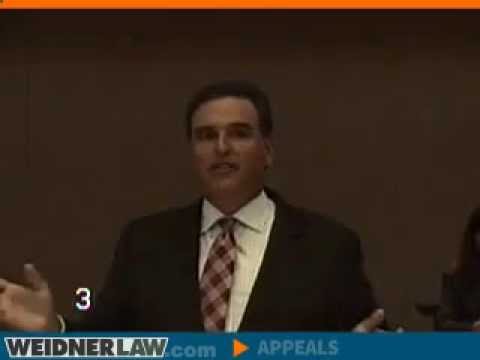
Watch the Oral Argument
This is the recording of the actual oral argument, posted on the channel. What lawyers and judges say at argument is not the ruling; the decision is summarized above.
👨⚖️ How Far Back Does a Condo Buyer's Assessment Liability Go? | Park West v. Londono, 3D13-770
Go Deeper
- Bought at a Foreclosure Sale, Sold It, and Still Had a Live HOA Dispute (Real Estate Solutions v. Viera East)
- Homeowner’s Association Foreclosure- Who Pays?
- Splitting Rent Between the Bank and the Condo: No Fee Deduction (Ocean Bank v. 107 Avenue)
Frequently Asked Questions
Does a buyer at a Florida condo foreclosure sale owe the prior owner's unpaid assessments?
Generally, section 718.116(1)(a) makes a new unit owner jointly and severally liable with the previous owner for assessments that came due before the transfer. A first mortgagee that takes title gets a cap under section 718.116(1)(b), but a third-party bidder does not. The details depend on who owned the unit and how title passed.
What happens when the condo association owned the unit before the buyer?
In Park West v. Londono (2013), the Third District held the buyer was responsible for unpaid assessments back to when the association took title. The statute was later amended to say an association that takes title by foreclosure or deed in lieu is not a “previous owner” for this purpose, so the current text controls today.
How much does a bank owe the condo association after foreclosure?
Under section 718.116(1)(b), a first mortgagee that acquires the unit by foreclosure or deed in lieu owes pre-acquisition assessments up to the lesser of 12 months of regular assessments or 1 percent of the original mortgage debt. Assessments that come due after the bank takes title are owed in full.
Can a condo buyer recover past-due assessments from the previous owner?
Yes. Section 718.116(1)(a) says the new owner’s liability is without prejudice to any right to recover from the previous owner the amounts paid. Whether that previous owner can actually pay is a practical question.
Talk to a Florida real estate litigation lawyer
Weidner Law, P.A. handles Florida real estate disputes, title problems and appeals from St. Petersburg. If you need a real estate litigation lawyer, call (727) 954-8752 or email weidner@mattweidnerlaw.com.
Read the law yourself, free: every Florida statute and court rule is on floridarules.net.
This article is general information about Florida law, not legal advice about your situation. Reading it, watching the videos, or contacting the firm does not create an attorney-client relationship. Every case turns on its own facts, and past results do not guarantee a similar outcome. The hiring of a lawyer is an important decision that should not be based solely upon advertisements.
