
In short: In Schlesinger v. Jacob, two law firms pursued successful petitions to declare an elderly Miami-Dade man incapacitated and to place him under a plenary guardianship. The trial court still denied them any fees, finding their work did not benefit the ward. On February 21, 2018, the Third District reversed, holding that the successful petitions did benefit the ward and that the trial court had mixed up whether fees were owed with how much they should be.
The Facts
The ward was an elderly man in Miami-Dade County who had been married to his wife, Anita Jacob, for decades. His daughter started a guardianship proceeding. The appellants were two law firms and their lawyers who represented the petitioner; the opinion describes their services as including the petition to determine incapacity and the petition to establish a plenary guardianship. At argument, the wife’s counsel said these lawyers came into the case after earlier counsel had filed the original petition.
The trial court found by clear and convincing evidence that the ward was totally incapacitated. It then established a plenary guardianship of his person and property, finding that a plenary guardianship was necessary for his welfare and safety and that no less restrictive alternative would meet his needs. According to the argument, the court invalidated the ward’s durable power of attorney as ambiguous and appointed his wife as guardian, the same person who had been managing his care and property all along.
The lawyers then asked for fees under section 744.108. The trial court denied entitlement, concluding that none of their services benefited the ward. The points below are what the lawyers argued at oral argument, not findings by the court.
- The lawyers argued the ward was now protected by court supervision, accountings and inventories, and that denying fees would discourage family members from bringing good-faith guardianship petitions.
- The wife argued the litigation was abusive, drained the ward’s assets, and changed nothing because she ended up in the same role she had under the power of attorney.
- The panel asked why the power of attorney was found ambiguous, noted that the record did not explain it, and questioned whether the word benefit appears in section 744.108(1) at all.
The Decision
The Third District reversed on February 21, 2018. Following its earlier decision in Losh v. McKinley, the court applied the rule that a lawyer’s services must benefit the ward or the ward’s estate to support a fee award. It held that the trial court’s finding of no benefit was not supported by competent substantial evidence: the lawyers’ petitions to determine incapacity and to establish a plenary guardianship were granted, and the ward received the full benefit and protection of a plenary guardianship.
The court also held that the trial court conflated two separate questions: whether the lawyers were entitled to fees at all, and the reasonable amount. The amount is set under the factors in section 744.108(2) and is within the trial court’s discretion. On remand the trial court may consider things like unproductive litigation over who would serve as guardian, or work aimed at goals that did not benefit the ward, when it sets the amount.
One judge concurred specially. He agreed only because Losh binds the court, and wrote that the benefit requirement is not in the text of section 744.108(1), that it can discourage good-faith petitions, and that the court should recede from Losh in an appropriate case.
The Law
Section 744.108(1) says a guardian, or an attorney who has rendered services to the ward or to the guardian on the ward’s behalf, is entitled to a reasonable fee for services rendered and reimbursement of costs. Subsection (2) lists the factors for setting the amount, including time and labor, results obtained, customary fees and the value of the ward’s property.
Florida’s district courts have read a benefit requirement into fee entitlement. The Third District applied it here through Losh v. McKinley, and the opinion cites decisions from the First, Second, Fourth and Fifth Districts to the same effect.
Section 744.331(6)(b) bars appointing a guardian when an alternative to guardianship, such as a valid durable power of attorney, will sufficiently address the person’s needs. That is why the power of attorney ruling mattered so much at argument. Section 744.1012 states the legislative intent to use the least restrictive form of guardianship.
Lessons
- Entitlement and amount are separate questions. A trial court that dislikes a petitioner’s motives may account for that in the amount, but it should not deny entitlement when the petitions succeeded and the ward got the protection of a guardianship.
- Lawyers who bring a guardianship petition should keep detailed time records tied to what benefited the ward, because the amount will be tested under section 744.108(2).
- A valid durable power of attorney can make a guardianship unnecessary. Families should keep estate planning documents clear and current.
- Make a complete record. The panel repeatedly asked where the record explained the trial court’s rulings, and gaps in the record cut against the party who needs them.
Source: Schlesinger v. Jacob, No. 3D16-2314 (Fla. 3d DCA Feb. 21, 2018), reversing the order denying entitlement to fees and remanding.
Watch the Oral Argument
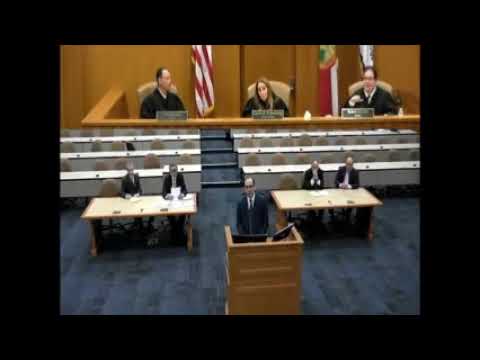
This is the recording of the actual oral argument, posted on the channel. What lawyers and judges say at argument is not the ruling; the decision is summarized above.
Attorney's Fees in a Contested Guardianship: Must the Petitioner's Lawyers Show a Ward Benefit?
Go Deeper
- A Guardianship Fee Fight, a Bar Complaint and a Settlement That Never Happened (Jaffe v. Guardianship of Jaffe)
- Sixty Thousand in Fees in a One-Year Guardianship, and Not Enough in the Account (Taylor v. Kelley)
- How to Avoid Guardianship in Florida: The Power of Attorney Is the Least Restrictive Alternative
Frequently Asked Questions
Who pays the attorney's fees in a Florida guardianship?
Section 744.108 lets a guardian, or an attorney who rendered services to the ward or to the guardian on the ward’s behalf, recover a reasonable fee, usually from the ward’s estate. The court reviews the fee petition and sets the amount using the factors in subsection (2).
Do lawyers have to show their work benefited the ward to get paid?
Under current district court case law, yes. In Schlesinger v. Jacob the Third District applied that rule but held that successful petitions for incapacity and a plenary guardianship were a benefit, so the lawyers were entitled to fees.
Can a judge deny all fees because of a family member's bad motives?
Schlesinger v. Jacob says the motives question belongs mainly in setting the amount. The trial court can reduce fees for unproductive litigation, but it erred in denying entitlement when the petitions succeeded.
Can a power of attorney prevent a guardianship in Florida?
Often. Section 744.331(6)(b) bars a guardianship when an alternative such as a durable power of attorney sufficiently addresses the person’s needs. In this case, according to the argument, the power of attorney was found ambiguous, which left guardianship as the remaining option.
Talk to a Florida probate litigation lawyer
Weidner Law, P.A. handles Florida probate disputes and probate appeals from St. Petersburg. If you need a probate litigation lawyer, call (727) 954-8752 or email weidner@mattweidnerlaw.com.
Read the law yourself, free: the full Florida Probate Code and Probate Rules and the Florida Trust Code are on floridarules.net.
This article is general information about Florida law, not legal advice about your situation. Reading it, watching the videos, or contacting the firm does not create an attorney-client relationship. Every case turns on its own facts, and past results do not guarantee a similar outcome. The hiring of a lawyer is an important decision that should not be based solely upon advertisements.
