
In short: In Jesmer v. Jesmer (Fla. 2d DCA 2025), the argument centered on a revocable trust whose settlor was also the sole trustee and beneficiary and who sold the trust’s last asset before he died in 2016. Was that substantial compliance with the trust’s revocation terms, or a breach? The Second District affirmed without opinion on February 21, 2025.
When one person is settlor, trustee, and beneficiary of a revocable trust, family members often argue later about what that person "really" did with the property.
The Case
According to the oral argument, a husband and wife formed a revocable trust around 2009. When he died in 2016, he was the sole trustee, grantor, and beneficiary. The dispute was whether his actions as trustee, including selling the trust’s last asset, amounted to substantial compliance with the trust’s method for amendment or revocation, or a breach of fiduciary duty. The appeal came from Hillsborough County (No. 2D2024-0465). The same parties had earlier appeals in the Second District.
The Result
The Second District affirmed without opinion on February 21, 2025. A per curiam affirmance (PCA) means the appellate court agreed with the result below without writing an opinion. It sets no precedent, and because there is no opinion, the Florida Supreme Court generally can’t review it. The issues described here are the ones argued; the court didn’t say which arguments it accepted.
How Revocable Trusts Are Revoked in Florida
Under § 736.0602, a settlor may revoke or amend a revocable trust:
- by substantial compliance with a method provided in the trust; or
- if the trust provides no exclusive method, by a later will or codicil that expressly refers to the trust, or by a written instrument signed with the formalities of a will.
A trustee’s lifetime sale of assets isn’t automatically a revocation, but while the trust is revocable, the trustee’s duties run to the settlor (§ 736.0603). Remaindermen generally can’t complain about what the settlor chose to do with his own revocable trust during life.
Lessons
- If you want to change or end your trust, follow its amendment clause precisely and in writing.
- Selling trust assets isn’t a substitute for a formal amendment.
- Beneficiaries challenging a living settlor-trustee’s transactions face an uphill fight.
Source: Jesmer v. Jesmer, No. 2D2024-0465 (Fla. 2d DCA Feb. 21, 2025).
Watch the Oral Argument
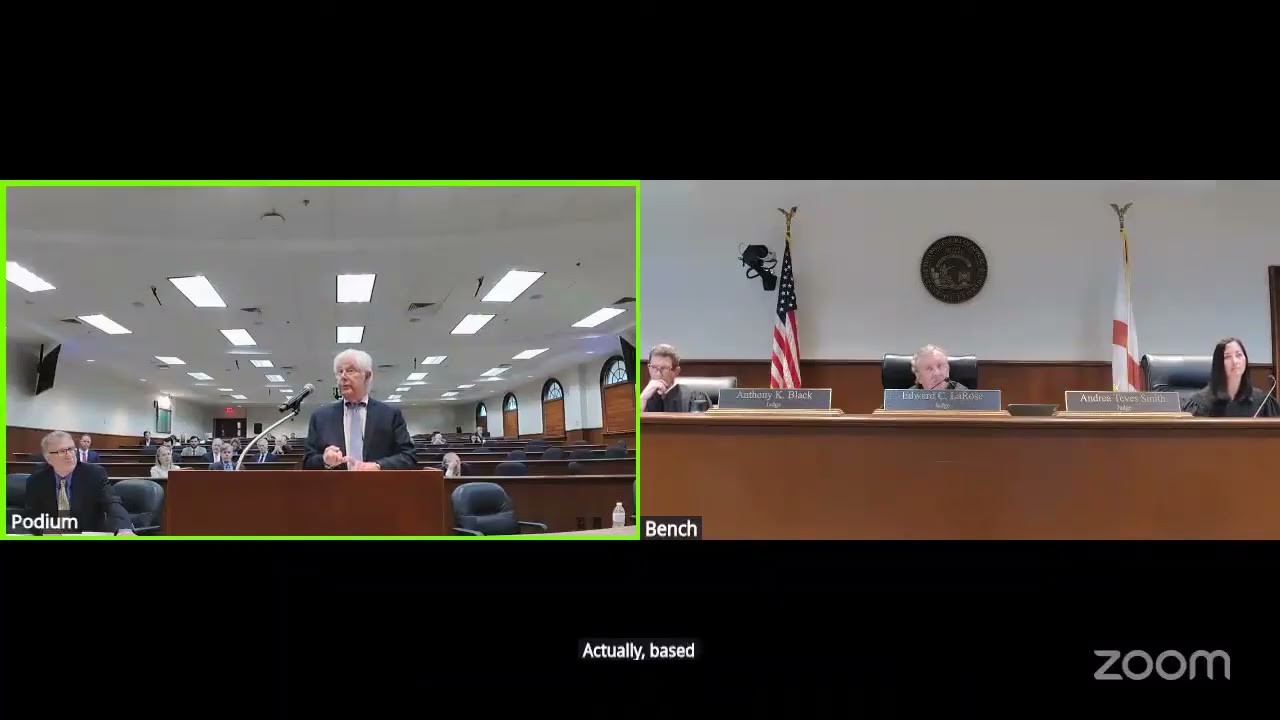
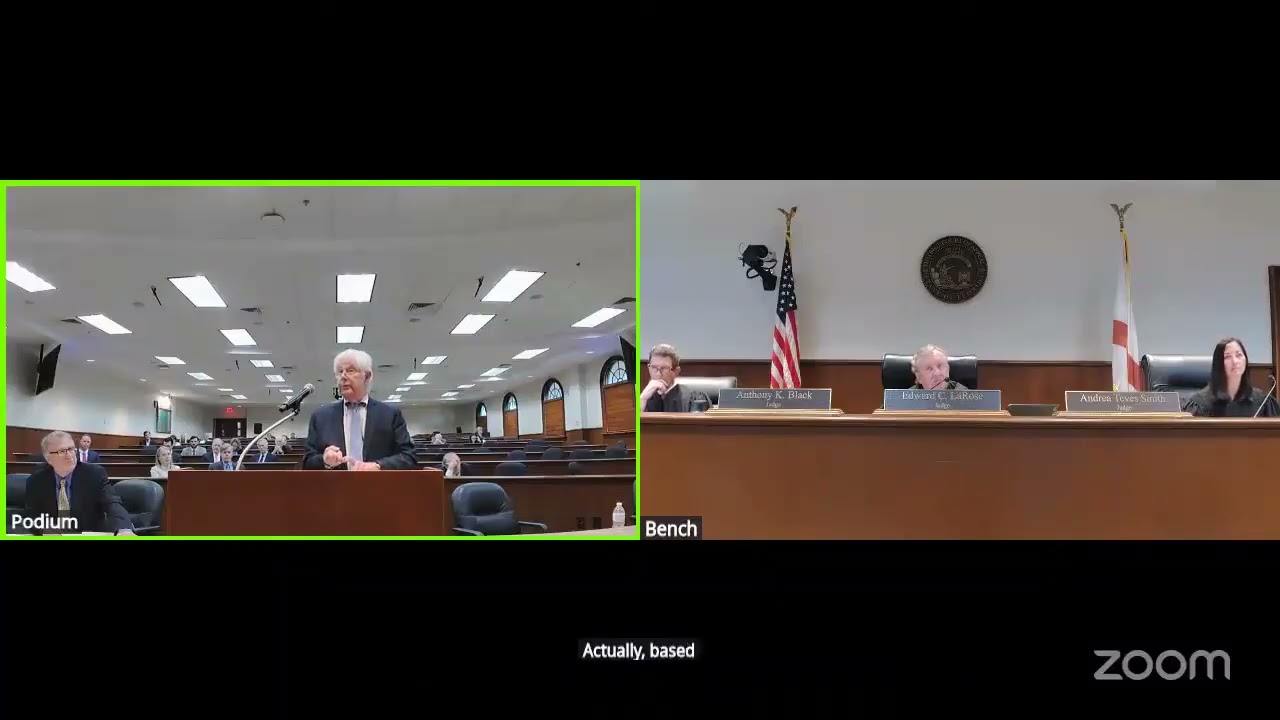
This is the recording of the actual oral argument, posted on the channel. The court affirmed without a written opinion, so nothing said at argument should be read as the court’s reasoning.
Revocable Trust Substantial Compliance Trustee Breach | Case No. 24-0465 | FL Appellate
Go Deeper
- When a Revocable Trust Doesn’t Work: Unfunded Trusts, the Death of the Trust Owner, and Trust Litigation in Florida
- Do You Need a Trust in Florida? What a Living Trust Does, What It Doesn’t, and Who Actually Needs One
- How to Contest a Trust in Florida: Deathbed Amendments, Undue Influence, and the 6-Month Clock
Frequently Asked Questions
How do you revoke a revocable trust in Florida?
By substantially complying with the method in the trust, or, if none is exclusive, by a later will or signed writing meeting § 736.0602.
Can beneficiaries sue over what a living settlor did with a revocable trust?
Generally not. While the trust is revocable, the trustee’s duties run to the settlor (§ 736.0603).
Is selling trust property a revocation?
Not by itself. Revocation follows the trust’s terms and § 736.0602.
What happened in Jesmer v. Jesmer?
The Second District affirmed without opinion in 2025.
Talk to a Florida trust litigation lawyer
Weidner Law, P.A. handles Florida trust disputes and probate appeals from St. Petersburg. If you need a trust litigation lawyer, call (727) 954-8752 or email weidner@mattweidnerlaw.com.
Read the law yourself, free: the full Florida Probate Code and Probate Rules and the Florida Trust Code are on floridarules.net.
This article is general information about Florida law, not legal advice about your situation. Reading it, watching the videos, or contacting the firm does not create an attorney-client relationship. Every case turns on its own facts, and past results do not guarantee a similar outcome. The hiring of a lawyer is an important decision that should not be based solely upon advertisements.
