
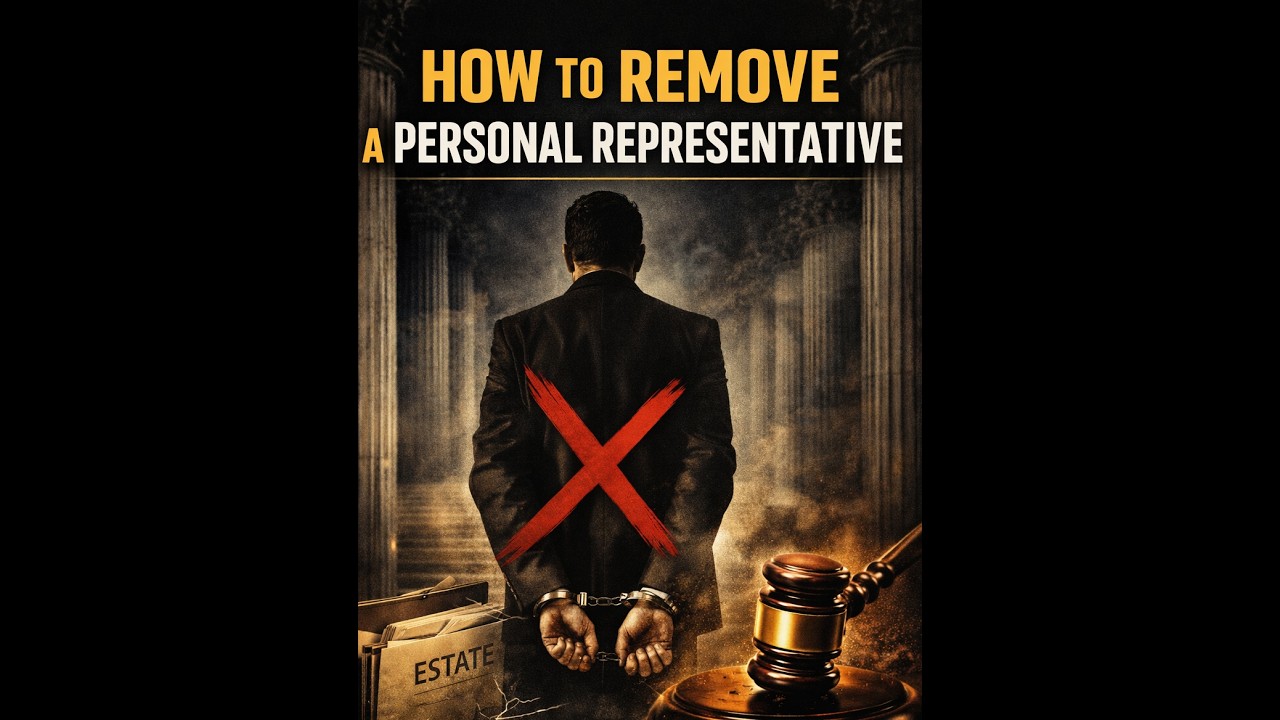
When a personal representative is not doing their job — failing to file an inventory, missing deadlines, refusing to communicate with beneficiaries, or actively mismanaging estate assets — Florida law provides a clear legal path to have them removed. Florida Statute § 733.504 specifies the grounds for removal and the procedure for seeking court intervention. This is one of the most powerful tools available to estate beneficiaries who are being ignored or harmed by a personal representative’s conduct.
Grounds for Removal Under § 733.504
Florida Statute § 733.504 lists specific grounds on which a court may remove a personal representative. These include breach of fiduciary duty, failure to comply with court orders, incapacity or disqualification, misappropriation of estate assets, failure to act, and conduct that endangers estate property. The statute also permits removal for any other cause deemed sufficient by the court — a broad catch-all provision that Florida courts have applied in a variety of circumstances involving egregious conduct by a personal representative.
The grounds are not limited to intentional wrongdoing. A personal representative who is simply incompetent, overwhelmed, or failing to fulfill basic administrative duties can be removed under § 733.504 even without proving theft or fraud.
How the Removal Process Works
Removal proceedings begin with a petition filed with the probate court. The petitioner must state the specific grounds for removal and provide supporting evidence. The personal representative has the right to respond and contest the petition. The court may hold a hearing, take testimony, and review estate records before ruling. If removal is granted, the court appoints a successor personal representative — either one nominated by interested parties or a court-appointed professional fiduciary.
In urgent situations where estate assets are at immediate risk, Florida courts can suspend the personal representative’s authority on a temporary basis pending a full hearing. This emergency relief is available when there is evidence of active misappropriation or imminent harm to estate property.
When to File a Removal Petition
If you are a beneficiary or interested party in a Florida estate and the personal representative is not responding to your requests, has missed required deadlines such as the inventory and accountings, appears to be using estate assets for personal benefit, or is otherwise not administering the estate properly, you may have grounds for a removal petition. Do not wait — delays in filing can result in dissipation of assets and damage to the estate. Contact Weidner Law to evaluate whether removal under § 733.504 is appropriate in your case.
Read the Exact Statute
The Florida statutes cited in this article are published word-for-word — free, complete, and fully organized — at FloridaRules.net.
FloridaRules.net — Every Florida Probate Rule, Statute, and Case Commentary. In One Place.
