
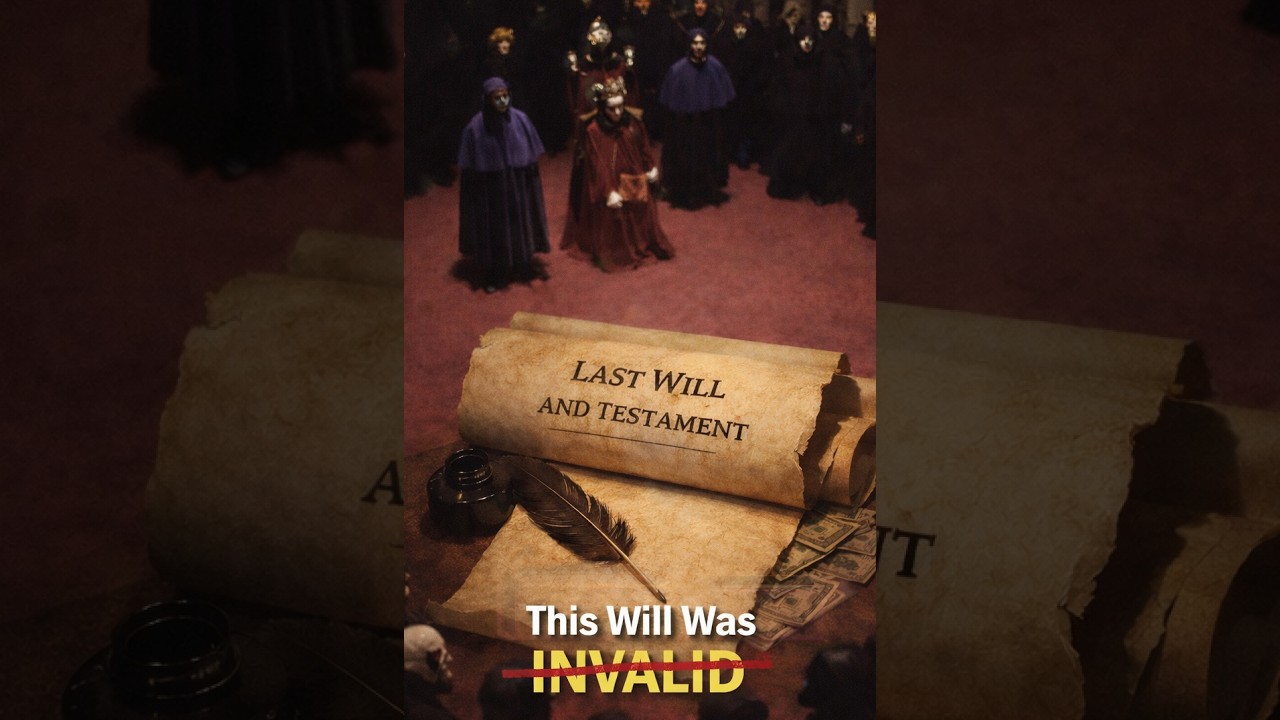
I have seen a lot of wills in my practice. Some of the most beautiful ones — handwritten in calligraphy, signed with a wax seal, presented on parchment paper — were legally worthless. Not because of what they said. Because of how they were executed. Florida law is precise about what makes a will valid, and decorative effort does not satisfy statutory requirements.
Florida’s Will Execution Requirements — § 732.502
Under Florida Statute § 732.502, a valid will must meet all of the following requirements. The will must be in writing. The testator must sign the will at the end, or the testator’s name must be subscribed at the end by some other person in the testator’s presence and at the testator’s direction. The will must be signed by two witnesses in the presence of the testator and in the presence of each other.
Each of these requirements is mandatory. Courts have no discretion to excuse a technical failure in will execution. A will that fails to satisfy § 732.502 is not a will under Florida law — regardless of how clearly it expresses the testator’s intent, how authentically it is presented, or how elaborate the ceremony surrounding its signing.
The Witness Requirement — Most Commonly Violated
The most frequently violated requirement is the witness requirement — specifically, the requirement that the witnesses sign in the presence of the testator and of each other. Florida courts have found wills invalid where a witness signed in a different room, where witnesses signed at different times, or where the signing was conducted remotely without proper safeguards.
Remote notarization changes enacted in Florida in recent years provide a limited exception for electronic wills under specific procedures. But traditional wills still require in-person, simultaneous witnessing as described in § 732.502.
What a Beautiful but Invalid Will Costs Your Family
When a will fails to meet Florida’s execution requirements, the decedent’s estate passes under Florida’s intestacy laws — as if no will existed. That means assets go to the statutory heirs under Chapter 732, which may be entirely different from what the testator intended. A will prepared at the kitchen table with the best of intentions, but witnessed incorrectly, produces the same legal result as no will at all.
If you are questioning whether a will in a Florida estate proceeding was validly executed, or if you are planning your own estate, contact Weidner Law to ensure your documents comply with § 732.502.
Read the Exact Statute
The Florida statutes cited in this article are published word-for-word — free, complete, and fully organized — at FloridaRules.net.
FloridaRules.net — Every Florida Probate Rule, Statute, and Case Commentary. In One Place.
